

10xTravel is part of an affiliate sales network and receives compensation for sending traffic to partner sites, such as CreditCards.com. This site may earn compensation when a customer clicks on a link, when an application is approved, or when an account is opened. This compensation may impact how and where links appear on this site. This site does not include all financial companies or all available financial offers. Terms apply to American Express benefits and offers. Enrollment may be required for select American Express benefits and offers. Visit americanexpress.com to learn more. All values of Membership Rewards are assigned based on the assumption, experience and opinions of the 10xTravel team and represent an estimate and not an actual value of points. Estimated value is not a fixed value and may not be the typical value enjoyed by card members.
Note: Some of the offers mentioned below may have changed or may no longer be available. The content on this page is accurate as of the posting date; however, some of our partner offers may have expired. You can view current offers here.
Michael Krause is executive director of MK Global Ventures, a nonprofit that has been operating for five years. Because international travel is an important part of the organization’s work, business expenses naturally include many purchases that can generate valuable travel rewards.
Depending on the organization’s travel schedule, monthly spending averages roughly $7,000 to $10,000. Airfare, hotels and restaurants are among its largest expense categories, giving Krause opportunities to earn points while paying for travel the organization already needs.
Building a Business Card Strategy Around Travel
Krause’s card lineup includes the Chase Sapphire Reserve®, Chase Ink Business Unlimited® Credit Card and the Marriott Bonvoy Business® American Express® Card.
His rewards strategy primarily focuses on Chase Ultimate Rewards, United MileagePlus and Marriott Bonvoy. By concentrating on several programs he can actually use, he avoids unnecessarily spreading his rewards across a large number of unrelated loyalty currencies.
Depending on the organization’s travel activity, Krause estimates earning roughly 5,000 to 15,000 points per month from business spending.
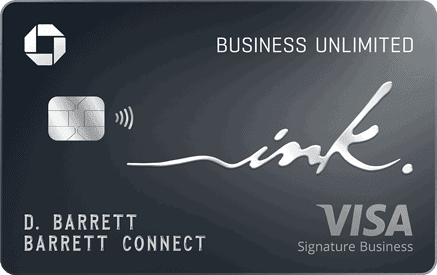
Chase Ink Business Unlimited® Credit Card
Earn $750
bonus cash back
after you spend $6,000 on purchases in the first 3 months from account opening.
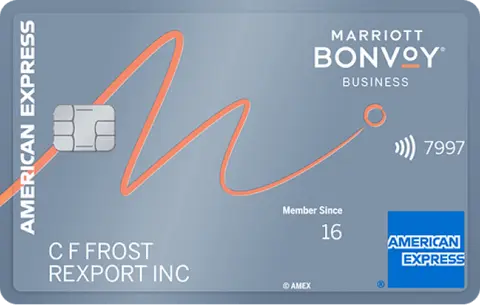
Marriott Bonvoy Business® American Express® Card
Limited Time Offer: Earn 100,000
Marriott Bonvoy® Bonus Points
and 1 Free Night Award after you spend $8,000 in purchases on the Card within the first 6 months of Card Membership. The Free Night Award has a redemption level up to 50,000 points at hotels participating in Marriott Bonvoy®. Resort fees and terms apply. Offer ends 11/4/26.
Annual Fee:
$125
Using Business Spending to Unlock Premium Travel
Krause generally keeps business and personal purchases on separate cards. The rewards generated through business expenses, however, have expanded his opportunities for personal travel.
He occasionally uses points for upgrades during work trips, but one redemption stands above the rest: roundtrip Emirates First Class between Chicago and Dubai.
That’s precisely the type of premium travel where points and miles can create opportunities that would be difficult to justify with cash.
Looking Beyond the Welcome Offer
Krause would like to continue taking advantage of valuable business credit card welcome offers, but his experience has also taught him not to evaluate a card based solely on the size of its bonus.
He wishes he had developed a clearer overall strategy before pursuing attractive offers.
For business owners, that means considering how a new card fits alongside existing rewards balances, preferred airlines and hotels, and normal spending categories before applying.

Maximizing Travel-Heavy Business Expenses
Businesses and organizations that travel frequently have a particularly interesting opportunity because some of their largest expenses may also fall into common credit card bonus categories.
Airfare, hotels and dining can generate meaningful rewards when placed on an appropriate card. Those rewards can then help offset future travel expenses or unlock premium experiences.
The objective is to maximize the return on travel spending that the organization was already going to incur.
The Bottom Line
Krause’s experience shows how a travel-heavy organization can turn necessary business expenses into a substantial source of points and miles.
The most important lesson is to build the strategy before choosing the card. By considering spending patterns, preferred loyalty programs and future redemption goals first, business owners can select cards that remain useful long after the initial welcome offer is gone.
For Krause, that approach has helped turn routine spending on flights, hotels and restaurants into rewards capable of unlocking experiences as aspirational as Emirates First Class.

New to the world of points and miles? The Capital One Venture Rewards Credit Card is the best card to start with.
Current offer: Limited Time Offer: Enjoy a $300 stays credit, plus earn 75K bonus miles once you spend $4,000 on purchases within 3 months from account opening.
Earn 5X miles on hotels, vacation rentals and rental cars booked through Capital One Travel; 2X miles on all purchases.
after you spend $6,000 on purchases in the first 3 months from account opening.
and 1 Free Night Award after you spend $8,000 in purchases on the Card within the first 6 months of Card Membership. The Free Night Award has a redemption level up to 50,000 points at hotels participating in Marriott Bonvoy®. Resort fees and terms apply. Offer ends 11/4/26.
Annual Fee:
$125
Editors Note: Opinions expressed here are author’s alone, not those of any bank, credit card issuer, hotel, airline, or other entity. This content has not been reviewed, approved or otherwise endorsed by any of the entities included within the post.
10xTravel is part of an affiliate sales network and receives compensation for sending traffic to partner sites, such as CreditCards.com. This site may earn compensation when a customer clicks on a link, when an application is approved, or when an account is opened. This compensation may impact how and where links appear on this site. This site does not include all financial companies or all available financial offers. Terms apply to American Express benefits and offers. Enrollment may be required for select American Express benefits and offers. Visit americanexpress.com to learn more. All values of Membership Rewards are assigned based on the assumption, experience and opinions of the 10xTravel team and represent an estimate and not an actual value of points. Estimated value is not a fixed value and may not be the typical value enjoyed by card members.
Editors Note: Opinions expressed here are author’s alone, not those of any bank, credit card issuer, hotel, airline, or other entity. This content has not been reviewed, approved or otherwise endorsed by any of the entities included within the post.
bonus cash back
after you spend $6,000 on purchases in the first 3 months from account opening.
earn 75K bonus miles
once you spend $4,000 on purchases within 3 months from account opening.

bonus points
after you spend $5,000 on purchases in the first 3 months from account opening.
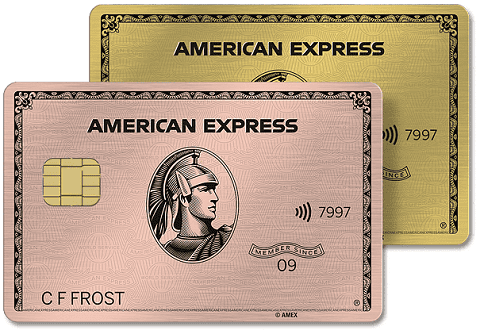
Membership Rewards® Points
after you spend $8,000 in eligible purchases on your new Card in your first 6 months of Card Membership. Welcome offers vary and you may not be eligible for an offer. Apply to know if you’re approved and find out your exact welcome offer amount – all with no credit score impact. If you’re approved and choose to accept the Card, your score may be impacted.