10xTravel is part of an affiliate sales network and receives compensation for sending traffic to partner sites, such as CreditCards.com. This site may earn compensation when a customer clicks on a link, when an application is approved, or when an account is opened. This compensation may impact how and where links appear on this site. This site does not include all financial companies or all available financial offers. Terms apply to American Express benefits and offers. Enrollment may be required for select American Express benefits and offers. Visit americanexpress.com to learn more. All values of Membership Rewards are assigned based on the assumption, experience and opinions of the 10xTravel team and represent an estimate and not an actual value of points. Estimated value is not a fixed value and may not be the typical value enjoyed by card members.
Note: Some of the offers mentioned below may have changed or may no longer be available. The content on this page is accurate as of the posting date; however, some of our partner offers may have expired. You can view current offers here.
Capital One has several excellent offerings in its lineup of business credit cards, including its premium travel rewards business card, the Capital One Venture X Business. However, while this card offers incredible value, some business owners aren’t interested in the complexity that comes with earning Capital One miles. If you prefer the simplicity of a cashback card, then you may want to consider either the Capital One Spark Cash or the Capital One Spark Cash Plus instead.
Both of these cards offer flat-rate rewards earnings of 2% cash back on all purchases with no limit (but you can earn 5% cash back on certain travel purchases made through Capital One’s travel booking portal). However, they differ in their annual fee structures and the bonuses offered in the first year after account opening.
The Spark Cash Plus has no preset spending limit, which may be better for business owners who occasionally need to make large purchases. In contrast, the Spark Cash has a traditional preset spending limit, which might be preferable for those who want more predictability regarding their spending. In this article, we’re going to compare these two business credit cards head-to-head to help you decide which may be better for your business.

Capital One Spark Cash vs. Capital One Spark Cash Plus Overview
Before we dive deeper into the differences between these two Capital One business credit cards, we’re going to give a brief overview of their features. The following table highlights the most important aspects of these two cards:
| Card name | Capital One Spark Cash | Capital One Spark Cash Plus |
| Annual fee | $0 for the first year; then $95 | $150 (which is refunded annually when you spend at least $150,000) |
| Spending bonuses |
|
|
| Other notable benefits |
|
|
In addition to the benefits listed above, both of these business credit cards offer valuable cashback welcome bonuses, which you can earn by spending a certain amount on your card within the first three months after account opening. The Capital One Spark Cash Plus offers a larger bonus than the Capital One Spark Cash.
Here’s the current welcome offer from the Capital One Spark Cash Plus card:

Earn $2,000
Cash Back
once you spend $30,000 in the first 3 months. Earn an additional $2,000 cash bonus for every $500K spent during the first year
Annual Fee: $150
Here’s the current welcome offer from the Capital One Spark Cash card:

Earn $1000
Cash Back
once you spend $10,000 in the first 3 months from account opening
Annual Fee: $0 for your first year, then $95.
These welcome bonuses shouldn’t be ignored when comparing these two cards. If you plan on applying for either card, make sure you can meet that card’s spending requirement for the bonus within the first three months. Otherwise, you could potentially miss out on thousands of dollars in value.
Welcome Bonus Comparison
While most credit cards have fairly straightforward welcome bonus qualification rules for new cardmembers, the welcome bonuses offered by the Capital One Spark Cash Plus are slightly more complicated. The Capital One Spark Cash Plus offers an initial cashback welcome bonus for new cardmembers who spend a certain amount on their card within the first three months after account opening. The Capital One Spark Cash offers a similar welcome bonus that’s less valuable but has a much lower spending requirement.
Where the Capital One Spark Cash Plus is different from other cards is that it offers an additional bonus of $2,000 cash back to new cardmembers who spend at least $500,000 on their card in their first cardmember year. So, if you foresee your business spending more than $500,000 in the first year after account opening, then the Spark Cash Plus could earn you a significant cashback bonus. This is a major advantage over the Spark Cash for high-spend businesses.
Annual Fee Comparison
Both the Capital One Spark Cash and Spark Cash Plus have unusual annual fee structures that can make it hard for you to determine which one’s better for your business. The Spark Cash waives its annual fee for the first year. After the first year, members will pay an annual fee of $95. In contrast, the Spark Cash Plus charges an annual fee of $150, including during the first cardmember year. However, if you spend $150,000 in that cardmember year, your annual fee will be reimbursed as statement credit.
So, essentially, if your business spends at least $150,000 annually, then the Spark Cash Plus is a no-annual-fee card. And, because the Spark Cash charges a regular annual fee of $95 after the first year, the Spark Cash Plus is a clear winner for businesses that surpass this spending threshold.
The Capital One Spark Plus Has No Preset Spending Limit
One of the main differences between the Spark Cash and Spark Cash Plus cards is that the Capital One Spark Cash Plus has no preset spending limit. Whereas most credit cards, including the Capital One Spark Cash, have a fixed spending limit that gets reviewed periodically (perhaps quarterly, biannually or annually), the Capital One Spark Cash Plus doesn’t. Instead, the spending limit on your Spark Cash Plus account is adjusted dynamically based on your spending patterns.
The advantage of not having a preset spending limit is that you don’t have to request credit limit increases as you would with a traditional credit card. This means you may have more flexibility for large business expenses without worrying about your card being declined.

Both Cards Offer the Same Spending Bonuses
The spending bonus structures offered by the Spark Cash and Spark Cash Plus cards are identical. So, when deciding which of these two cards is better for your business, you can generally ignore spending bonuses and focus on other factors.
Both of these cards offer flat-rate rewards of 2% cash back on all purchases, regardless of category, with no limit. Additionally, both of these cards also offer 5% cash back on hotel and rental car bookings made through Capital One’s travel booking portal.
So, with either of these cards, you don’t have to worry about spending bonus categories as you’ll earn solid rewards of 2% cash back on every purchase. You’ll also occasionally earn 5% cash back on travel purchases made with Capital One.
Additional Card Benefits
Unlike premium travel rewards cards (such as the Capital One Venture X Business or The Business Platinum Card® from American Express), these two cash back business credit cards offer little in the way of statement credits or travel benefits. Instead, the value offered by these cards comes from their spending and welcome bonuses. However, both cards do offer a range of standard business benefits, such as free employee cards, $0 fraud liability, no foreign transaction fees, extended warranty on eligible purchases and more.
Cash Back Can Be Converted to Capital One Miles
One important feature of both cards is that the cash back you earn from both the Spark Cash and the Spark Cash Plus can be converted to Capital One miles (Capital One’s flexible travel rewards currency) as long as you’re eligible and have a miles-earning card from Capital One. Because of this, both the Capital One Spark Cash and Spark Cash Plus cards make excellent complements to Capital One’s miles-earning business cards.
For example, the Capital One VentureOne Business offers a base earnings rate of 1.5X miles on all purchases. If you already have this card in your wallet, you can sign up for either the Spark Cash or the Spark Cash Plus and effectively boost that base earnings rate to 2X miles by transferring all of your non-category spending to that card and then converting your cash back to Capital One miles.
The Bottom Line
Ultimately, when comparing the Capital One Spark Cash to the Spark Cash Plus, the decision comes down to how much your company spends annually. If your company routinely spends at least $150,000 annually, then the Capital One Spark Cash Plus is the better option. That’s because cardmembers who spend at least $150,000 on the Spark Cash Plus per cardmember year will pay no annual fee, whereas the Spark Cash charges an annual fee of $95 after the first year, regardless of how much you spend on your card annually.
Likewise, the fact that the Capital One Spark Cash Plus doesn’t have a preset spending limit makes it better for business owners who may need access to large amounts of capital and don’t want to wait for their credit limit to be reassessed. Plus, if you think your business will spend at least $500,000 on the card in the first year after account opening, then the Capital One Spark Cash Plus will reward you with a $2,000 cashback bonus, which is certainly worth considering.
Overall, if your business spends at least $150,000 annually (allowing you to have the Spark Cash Plus card’s annual fee waived), you’re better off going with the Spark Cash Plus. On the other hand, if you spend less than $150,000 annually, you’re probably better off with the Spark Cash card.
For Capital One products listed on this page, some of the above benefits are provided by Visa® or Mastercard® and may vary by product. See the respective Guide to Benefits for details, as terms and exclusions apply.

New to the world of points and miles? The Capital One Venture Rewards Credit Card is the best card to start with.
Current offer: Limited Time Offer: Enjoy a $300 stays credit, plus earn 75K bonus miles once you spend $4,000 on purchases within 3 months from account opening.
Earn 5X miles on hotels, vacation rentals and rental cars booked through Capital One Travel; 2X miles on all purchases.
once you spend $10,000 in the first 3 months from account opening
Annual Fee: $0 for your first year, then $95.
once you spend $30,000 in the first 3 months. Earn an additional $2,000 cash bonus for every $500K spent during the first year
Annual Fee: $150
Editors Note: Opinions expressed here are author’s alone, not those of any bank, credit card issuer, hotel, airline, or other entity. This content has not been reviewed, approved or otherwise endorsed by any of the entities included within the post.
10xTravel is part of an affiliate sales network and receives compensation for sending traffic to partner sites, such as CreditCards.com. This site may earn compensation when a customer clicks on a link, when an application is approved, or when an account is opened. This compensation may impact how and where links appear on this site. This site does not include all financial companies or all available financial offers. Terms apply to American Express benefits and offers. Enrollment may be required for select American Express benefits and offers. Visit americanexpress.com to learn more. All values of Membership Rewards are assigned based on the assumption, experience and opinions of the 10xTravel team and represent an estimate and not an actual value of points. Estimated value is not a fixed value and may not be the typical value enjoyed by card members.
Editors Note: Opinions expressed here are author’s alone, not those of any bank, credit card issuer, hotel, airline, or other entity. This content has not been reviewed, approved or otherwise endorsed by any of the entities included within the post.
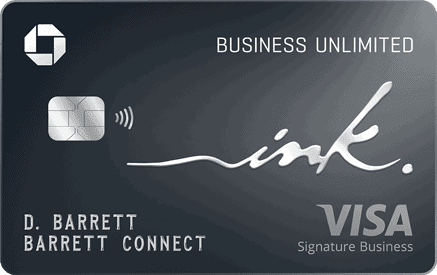
bonus cash back
after you spend $6,000 on purchases in the first 3 months from account opening.
earn 75K bonus miles
once you spend $4,000 on purchases within 3 months from account opening.
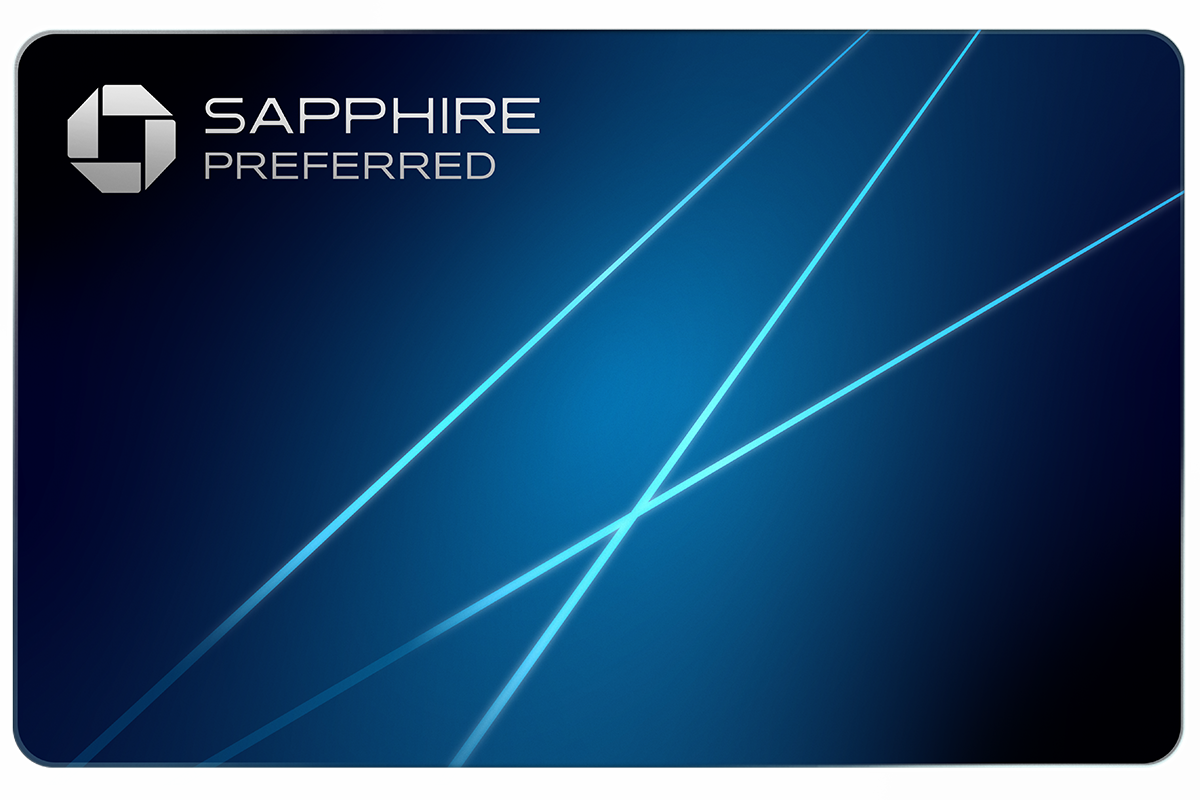
bonus points
after you spend $5,000 on purchases in the first 3 months from account opening.
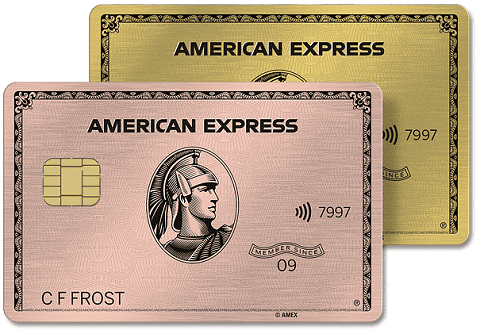
Membership Rewards® Points
after you spend $8,000 in eligible purchases on your new Card in your first 6 months of Card Membership. Welcome offers vary and you may not be eligible for an offer. Apply to know if you’re approved and find out your exact welcome offer amount – all with no credit score impact. If you’re approved and choose to accept the Card, your score may be impacted.