10xTravel is part of an affiliate sales network and receives compensation for sending traffic to partner sites, such as CreditCards.com. This site may earn compensation when a customer clicks on a link, when an application is approved, or when an account is opened. This compensation may impact how and where links appear on this site. This site does not include all financial companies or all available financial offers. Terms apply to American Express benefits and offers. Enrollment may be required for select American Express benefits and offers. Visit americanexpress.com to learn more. All values of Membership Rewards are assigned based on the assumption, experience and opinions of the 10xTravel team and represent an estimate and not an actual value of points. Estimated value is not a fixed value and may not be the typical value enjoyed by card members.
Matthew Blocki is the CEO of Equilibrium Wealth Advisors (EWA LLC), a registered investment advisor managing wealth for high-net-worth clients. After 15 years in business and a decade of maximizing points and miles, Blocki made a strategic shift—he stopped chasing maximum optimization and started prioritizing simplicity.
The result? He still generates 50,000 points monthly from $35,000 in business spend and extracts $40,000 to $50,000 in annual value—all while spending far less time managing cards.
The Evolution: From 20 Cards to Simplicity
Ten years ago, Bryce Conway, the founder of 10xTravel, introduced Blocki to the points and miles game. Like many enthusiasts discovering the hobby, Blocki went all in.
“It was worth going crazy early on when I wasn’t earning much…” Blocki said. “Twenty cards per year.”
But as his income grew and his wealth management firm expanded to 13 employees, his philosophy changed.
“Now income has gone up… so simplicity is everything,” Blocki said. “Just changing philosophy as circumstances change.”
Today, Blocki’s approach is deliberately streamlined despite having access to multiple card products across Capital One, Chase and other issuers.
The Simple Card Strategy
- Monthly business spending: $35,000
- Top spending category: Technology
- Points earned per month: 50,000
- Annual value: $40,000 to $50,000
Blocki’s current setup
For personal spending:
Everything goes on his Chase Sapphire Preferred® Card, and then he prioritizes hitting the $30,000 minimum spend on the British Airways Visa Signature® Credit Card to receive a Travel Together Ticket.
For business spending:
All his business spend goes on Capital One business cards, whose miles he transfers to British Airways to replenish his points balance there.
Loyalty focus:
- Park Hyatt (via Chase points)
- British Airways (for international premium cabin flights)
- Keep everything else flexible
“[I’m] not maximizing, but simplicity for time involved is valuable to me now,” Blocki said.

Blocki’s Philosophy: Time Is More Valuable Than Extra Points
Blocki’s strategy is to open one to two new cards per year for sign-up bonuses when Chase’s 5/24 rule allows it, but he doesn’t stress about it.
He shares an important caveat from his own experience.
“[I] value time,” he said. “[It] was worth going crazy early on when I wasn’t earning much… but now [my] income has gone up… so simplicity is everything.”
For high-earning business owners, this is a critical insight. The difference between an optimized 15-card strategy earning about 80,000 points monthly and Blocki’s simple approach earning about 50,000 points is 30,000 points—worth perhaps $600 to $900 in travel value.
If it takes three to five hours monthly to manage that optimization, you’re earning $120 to $300 per hour. For a business owner potentially billing $500+ per hour in their business, that math doesn’t work.
How He Travels: Business Class Without the Price Tag
“[I’m] too cheap and frugal to drop $10K on a flight, but will do it every day if free with points,” Blocki said.
One of his best trips showcases the power of simple, consistent earning:
London with his daughter:
- British Airways business class round trip
- Park Hyatt stay in London
- Coldplay concert and Arsenal soccer game
“[I] only fly business or first international and only stay at nice hotels,” Blocki described his travel philosophy.
He has Hyatt status and leverages it at Park Hyatt properties, but he doesn’t chase status as a goal. It’s a byproduct of his spending pattern.
Points for Business and Personal: A Dual Strategy
Unlike business owners who keep points exclusively for personal use, Blocki uses them for both.
- Personal travel: International flights in premium cabins, Park Hyatt stays
- Business use: Team retreats booked with points
- Tax advantage: When used for legitimate business travel, the value is “tax-free”
This dual-use approach makes the annual value of $40,000 to $50,000 even more impactful. Some of it directly reduces business travel expenses as a tax-deductible cost.

The 100,000-Point Mistake
Even experienced points collectors make costly errors. Blocki’s biggest?
“Closing The Business Platinum Card® from American Express before transferring points… cost me 100K+ Amex points… yikes,” he said.
When you close an American Express card, you lose all Membership Rewards points associated with that account. Blocki learned this lesson the expensive way.
The fix: Always keep at least one Membership Rewards-earning card open to preserve your points balance.
The Philosophy Shift Business Owners Should Consider
Blocki’s evolution offers a framework for thinking about points optimization relative to business growth:
Early stage (lower income, high time):
- Worth maximizing every point
- Chase sign-up bonuses aggressively
- Manage 15 to 20 cards
- Spend time researching optimal strategies
Growth stage (rising income, limited time):
- Simplify to three to five core cards
- Focus on flexible currencies (Chase Ultimate Rewards, American Express Membership Rewards, Capital One Miles)
- Maintain one or two key loyalties (Blocki chose Hyatt + British Airways)
Established stage (high income, time is premium):
- Ultra-simple setup
- Consistent earning without optimization
- Accept “good enough” over “perfect”
- Redirect time savings to business growth
Blocki is firmly in Stage 3. His 50,000 points monthly from a simple card strategy generates more than enough value for multiple international premium cabin trips annually plus team retreats.
The Bottom Line
Blocki generates 600,000 points annually from business spend using a deliberately simple strategy. Those points fund:
- Multiple international business-class trips to Europe
- Park Hyatt stays in gateway cities
- Team retreats that strengthen company culture
- All with $40,000 to $50,000 in annual value
His advice for other business owners is short and emphatic: “Do it!”
But do it in a way that matches your current life stage. If you’re early in your business journey with more time than money, maximize everything. If you’re established with significant income, optimize for simplicity.
Blocki stopped chasing 20 cards per year not because it doesn’t work, but because his time became more valuable than the incremental points.
For a wealth management CEO flying business class to London and staying at Park Hyatts for nearly free, the simple approach is working just fine.
Related reading: How An Antarctica Expedition Business Owner Uses $2 Million in Seasonal Spending to Fund Free Travel

New to the world of points and miles? The Chase Sapphire Preferred® Card is the best card to start with.
With a bonus of 75,000 bonus points after you spend $5,000 on purchases in the first 3 months from account opening. , 5x points on travel booked through the Chase TravelSM Portal and 3x points on restaurants, streaming services, and online groceries (excluding Target, Walmart, and wholesale clubs), this card truly cannot be beat for getting started!
Editors Note: Opinions expressed here are author’s alone, not those of any bank, credit card issuer, hotel, airline, or other entity. This content has not been reviewed, approved or otherwise endorsed by any of the entities included within the post.
10xTravel is part of an affiliate sales network and receives compensation for sending traffic to partner sites, such as CreditCards.com. This site may earn compensation when a customer clicks on a link, when an application is approved, or when an account is opened. This compensation may impact how and where links appear on this site. This site does not include all financial companies or all available financial offers. Terms apply to American Express benefits and offers. Enrollment may be required for select American Express benefits and offers. Visit americanexpress.com to learn more. All values of Membership Rewards are assigned based on the assumption, experience and opinions of the 10xTravel team and represent an estimate and not an actual value of points. Estimated value is not a fixed value and may not be the typical value enjoyed by card members.
Editors Note: Opinions expressed here are author’s alone, not those of any bank, credit card issuer, hotel, airline, or other entity. This content has not been reviewed, approved or otherwise endorsed by any of the entities included within the post.
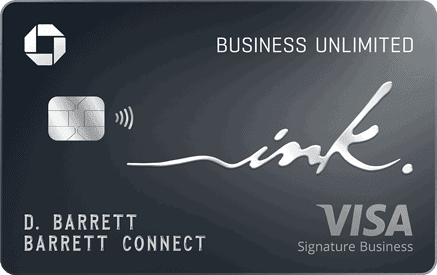
bonus cash back
after you spend $6,000 on purchases in the first 3 months from account opening
to use on Capital One Travel
in your first cardholder year, plus earn 75,000 bonus miles once you spend $4,000 on purchases within the first 3 months from account opening - that’s equal to $1,000 in travel
bonus points
after you spend $5,000 on purchases in the first 3 months from account opening.

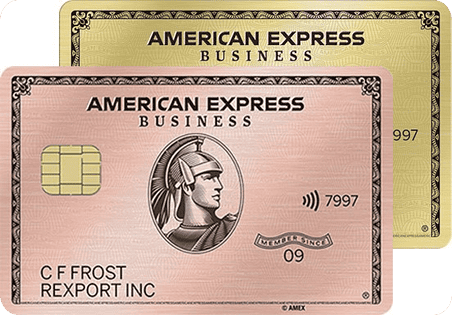
Membership Rewards® Points
after you spend $6,000 in eligible purchases on your new Card in your first 6 months of Card Membership. Welcome offers vary and you may not be eligible for an offer. Apply to know if you’re approved and find out your exact welcome offer amount – all with no credit score impact. If you’re approved and choose to accept the Card, your score may be impacted.