10xTravel is part of an affiliate sales network and receives compensation for sending traffic to partner sites, such as CreditCards.com. This site may earn compensation when a customer clicks on a link, when an application is approved, or when an account is opened. This compensation may impact how and where links appear on this site. This site does not include all financial companies or all available financial offers. Terms apply to American Express benefits and offers. Enrollment may be required for select American Express benefits and offers. Visit americanexpress.com to learn more. All values of Membership Rewards are assigned based on the assumption, experience and opinions of the 10xTravel team and represent an estimate and not an actual value of points. Estimated value is not a fixed value and may not be the typical value enjoyed by card members.
Note: Some of the offers mentioned below may have changed or may no longer be available. The content on this page is accurate as of the posting date; however, some of our partner offers may have expired. You can view current offers here.
All information about the Marriott Bonvoy Bountiful® Credit Card has been collected independently by 10x Travel.
The holiday season is one of the best opportunities for leveraging your credit card spend. Whether you’re working toward a six-figure welcome offer, free night awards or elite status, Black Friday through Christmas is the time to make it happen.
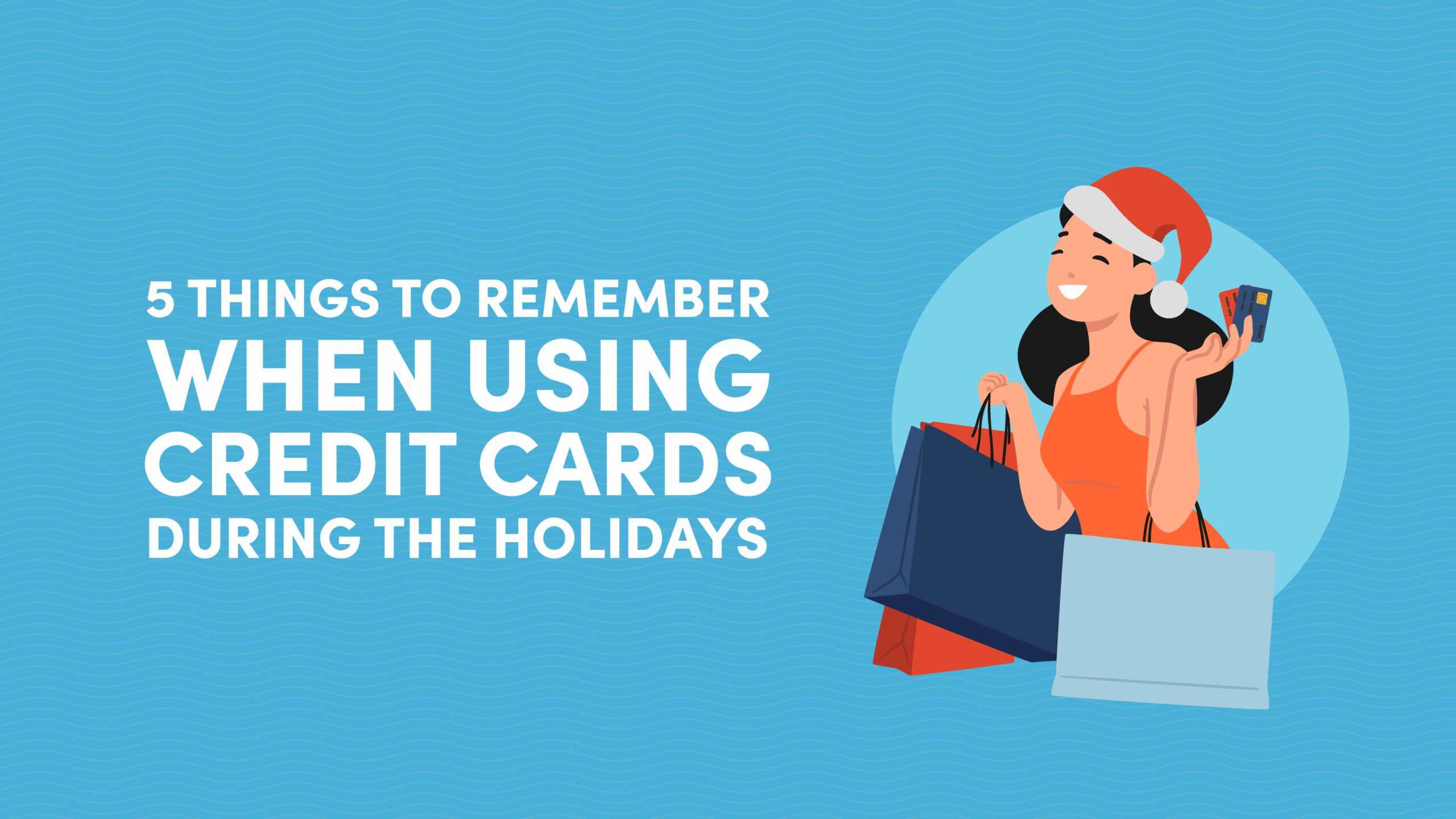
But spending your way to rewards without a solid strategy can lead to underutilized perks and, in the worst case, debt you can’t afford. Here are five key things to remember when using your credit cards during the holiday season, so you can maximize every dollar spent without running into double-digit interest rates.
1. Put Your Spending on the Right Card
You’ve already heard that the holiday season is the best time to leverage your credit card spend, but that doesn’t mean any old card will do. Putting all your spend on a card that earns 1% cash back will get you as far as putting it all on a co-branded airline card you never use. Instead, you need to think about your wider strategy.
The holiday shopping season is the perfect time to put your increased expenditure toward a new card’s welcome offer. But if you’re not interested in opening a new card, you might want to funnel your expenditure into an existing card that offers spend-based perks.
For example, if you hold the Marriott Bonvoy Bountiful® Credit Card, you can earn a free night reward with a redemption level up to 50,000 points at participating Marriott Bonvoy hotels when you charge $15,000 to your card within a calendar year. Putting your holiday spend on this card could be enough to pass the $15,000 spending requirement. Similarly, if you hold the Hilton Honors American Express Card, you can earn Gold status by charging $20,000 in eligible purchases to your card within a calendar year.
Alternatively, if you’re new to the world of credit card rewards, you could apply for our go-to beginner’s card—the Capital One Venture Rewards Credit Card—and set yourself up for a lifetime of successful redemptions. By approaching the holiday season with a wider credit card strategy in mind, you can ensure you’re getting the biggest bang for your buck with every dollar spent.

Capital One Venture Rewards Credit Card
Limited Time Offer: Enjoy a $300 stays credit, plus
earn 75K bonus miles
once you spend $4,000 on purchases within 3 months from account opening.
Annual Fee: $95

2. Treat Your Credit Card Like a Debit Card
The holidays are a great time to leverage your expenditure, but with great spending power comes great responsibility. Without a clear overview of your budget, it’s easy to fall into the trap of overspending and racking up unnecessary debt. For this reason, we always recommend treating your credit card like a debit card. That means only putting your normal, everyday expenditure on your card instead of spending more than you normally would. It also means paying your balance on time, every time, and avoiding racking up interest on your card.
Many credit cards have double-digit interest rates that will eat into the value of any points earned, making them effectively worthless. Points and miles only pay off if you have financial discipline; overspending to earn a few thousand extra points will only hurt your finances in the long term. When you treat your credit card like a debit card, you’ll maximize your everyday spending and earn thousands of rewards points without damaging your credit score and running into debt.
3. Protect Holiday Shopping and Travel with Built-In Protections
When you’re spending your way to new welcome offers and free night awards, using a card with spending protections offers additional insurance.
The three most common protections are:
- Purchase protection
- Return protection
- Extended warranty protection
Purchase protection covers you for eligible goods that are stolen or damaged within a specific post-purchase time frame. The coverage window is typically 90 to 120 days after purchase, with coverage ranging between $500 and $10,000 depending on the card you hold. In the unlucky event that your new laptop gets damaged or your kid’s shiny new bike gets stolen, you could potentially save yourself thousands of dollars simply by charging your purchase to the right card.
Return protection reimburses you for items the store refuses to take back, up to a certain maximum amount. Just like with purchase protection, return protection only covers you for a limited window after purchase, typically up to 90 days.
Lastly, extended warranty protection extends the time period of the manufacturer’s warranty in the United States by an additional year. It typically applies to products with eligible warranties of three years or less, extending coverage to up to four years from the date of purchase, but varies depending on the card issuer.
By funneling significant purchases, such as expensive holiday gifts, into a card with built-in purchase, return and extended warranty protection benefits, you can rest assured that you’re covered if something goes wrong.
Beyond shopping, one of the best things to do during the holidays is travel. Whether you want to escape your relatives or bring the whole family along, charging your travel expenses to a card that offers built-in travel protections is a great way to safeguard yourself if things go south.
You’ll want to use a card that offers a range of travel protections, such as:
- Trip interruption and cancellation insurance
- Trip delay reimbursement
- Rental car insurance (auto collision damage waiver)
- Travel accident insurance
- Lost luggage reimbursement
- Baggage delay insurance
- Emergency medical and dental insurance
- Emergency evacuation and transportation coverage
The Chase Sapphire Reserve® is one of the few cards to offer all of these benefits. However, if you don’t want to pay $795 for an annual fee, you can receive generally solid travel insurance from the Chase Sapphire Preferred® Card for just $95 per year.
Chase offers some of the strongest travel insurance benefits of any issuer, but you can also find solid protection with other companies. Keep in mind that terms and conditions vary by issuer, and you typically need to charge qualifying expenditure to your card to receive coverage. In many cases, these benefits extend to your immediate family if they’re traveling on the same reservation.
When you’re planning a winter ski trip to Aspen or a beach getaway to Hawaii, it’s easy to forget about contingency planning. But by charging your airfare and accommodation costs to a card that offers travel protections, you can rest assured that you’re covered if things go awry.

Earn 100,000
bonus points
after you spend $6,000 on purchases in the first 3 months from account opening.
Annual Fee: $795

4. Use Statement Credits to Pay for Gifts
Spending toward new welcome offers, free night awards or simply charging your expenditure to a high-return bonus category is always a smart move during the holidays. But let’s not forget about statement credits, too.
Maximizing your card’s statement credits is one of the easiest ways to offset its annual fee. Generally speaking, the higher the annual fee, the more statement credits there are to utilize. Depending on the card you hold and its exact benefits, you can use these credits to cover travel expenditure or holiday shopping sprees, reducing your total out-of-pocket costs while helping to offset annual fees.
For example, you could use the Capital One Venture X Rewards Credit Card’s $300 annual travel credit for bookings made through Capital One Travel. That effectively shaves $300 off the card’s $395 annual fee.
Alternatively, if you don’t want to be restricted to spending through Capital One Travel, you could instead use the Chase Sapphire Reserve®’s flexible $300 annual travel credit to cover part of your holiday vacation with no requirement to make your booking through Chase Travel℠.
When it comes to holiday shopping, the American Express Platinum Card® comes with a range of shopping-related statement credits that you can use to offset your spending. For instance, you could purchase an Oura ring and enjoy up to $200 in statement credits to cover part of the cost. Similarly, you could use the card’s $300 annual lululemon credit, issued in $75 quarterly increments, to cover the cost of new sportswear. (Both of these offers require enrollment; see offer details in your Amex account.)
American Express, Capital One, Citi and Chase cardholders also get access to monthly Amex Offers, Capital One Offers, Citi Offers and Chase Offers, respectively, which provide discounts and cash back with a range of merchants. The holiday shopping season is the perfect time to use these offers, but remember that you need to activate them before spending; otherwise, you’ll be ineligible for the benefit. So if you want to maximize your points as much as your savings—all while helping to offset your card’s annual fee—don’t forget to use your statement credits.

Capital One Venture X Rewards Credit Card
Earn 75,000
Bonus Miles
when you spend $4,000 on purchases in the first 3 months from account opening, equal to $750 in travel
Annual Fee: $395
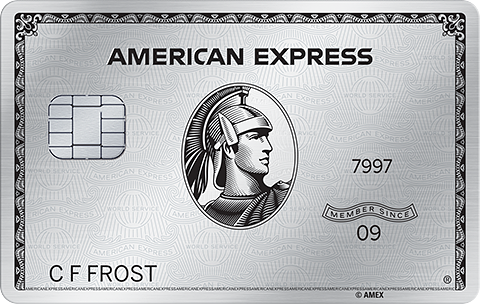
American Express Platinum Card®
You may be eligible for as high as 175,000
Membership Rewards® Points
after spending $12,000 in eligible purchases on your new Card in your first 6 months of Membership. Welcome offers vary and you may not be eligible for an offer.
Annual Fee:
$895
5. Don’t Sleep on Shopping Portals
If you’re making holiday purchases online without going through a shopping portal first, you’re potentially leaving points, miles and cash back on the table. Shopping portals, such as Rakuten, Top Cash Back, The Shops at Chase, AAdvantage® eShopping or Capital One Shopping, act as digital storefront aggregators. By starting your online shopping session on a shopping portal and clicking through to your retailer of choice, you earn extra rewards or cash back on top of what your credit card normally offers (as long as you have browser cookies enabled).
During the Black Friday through Cyber Monday period, these portals routinely bump up their baseline rates. Merchant payouts that are normally 1% or 2% can suddenly jump to 10%, 15% or even 20% back.
Here’s how you can maximize shopping portals during the holidays:
- Double-dip on rewards: When you click through a portal and pay with a credit card that earns bonus points in that shopping category, you earn rewards from both the portal and your card issuer on a single transaction.
- Opt for points and miles: If you prefer travel rewards over cash back, portal networks run by airlines or hotels allow you to earn frequent flyer miles or hotel points, respectively.
- Leverage card issuer offers: You can typically stack a shopping portal payout with activated merchant offers directly on your credit card. For example, if you have a “Spend $100, Get $20 Back” Chase Offer for a specific retailer, clicking through Rakuten to that retailer still yields your Rakuten cash back plus the $20 statement credit.
- Use browser extensions: To avoid missing out on bonus rates during busy holiday sales, install your preferred portal’s browser extension. It will notify you automatically whenever you land on an eligible merchant site.
By layering a high-earning credit card with a shopping portal payout and merchant statement credits, a single holiday purchase can easily yield a 20% to 30% total return on your spend.
Final Thoughts
The holiday shopping season represents one of the highest-volume spending windows of the year. While it’s easy to focus solely on checking off your gift list, treating this period as a strategic opportunity allows you to turn everyday expenses into travel opportunities.
Whether you’re putting your holiday spending toward a lucrative welcome offer, or simply stacking shopping portal bonuses with built-in card statement credits, a deliberate approach ensures every dollar works double duty. Just remember that the true value of points and miles disappears if you carry a balance—paying off your statement in full remains the foundational rule of any successful credit card strategy.
Plan your spending, double-check your built-in protections before booking holiday travel and make sure every card in your wallet is working toward your specific financial and travel goals this season.
New to the world of points and miles? The Capital One Venture Rewards Credit Card is the best card to start with.
Current offer: Limited Time Offer: Enjoy a $300 stays credit, plus earn 75K bonus miles once you spend $4,000 on purchases within 3 months from account opening.
Earn 5X miles on hotels, vacation rentals and rental cars booked through Capital One Travel; 2X miles on all purchases.
after spending $12,000 in eligible purchases on your new Card in your first 6 months of Membership. Welcome offers vary and you may not be eligible for an offer.
Annual Fee:
$895
after you spend $6,000 on purchases in the first 3 months from account opening.
Annual Fee: $795
when you spend $4,000 on purchases in the first 3 months from account opening, equal to $750 in travel
Annual Fee: $395
once you spend $4,000 on purchases within 3 months from account opening.
Annual Fee: $95
Editors Note: Opinions expressed here are author’s alone, not those of any bank, credit card issuer, hotel, airline, or other entity. This content has not been reviewed, approved or otherwise endorsed by any of the entities included within the post.
10xTravel is part of an affiliate sales network and receives compensation for sending traffic to partner sites, such as CreditCards.com. This site may earn compensation when a customer clicks on a link, when an application is approved, or when an account is opened. This compensation may impact how and where links appear on this site. This site does not include all financial companies or all available financial offers. Terms apply to American Express benefits and offers. Enrollment may be required for select American Express benefits and offers. Visit americanexpress.com to learn more. All values of Membership Rewards are assigned based on the assumption, experience and opinions of the 10xTravel team and represent an estimate and not an actual value of points. Estimated value is not a fixed value and may not be the typical value enjoyed by card members.
Editors Note: Opinions expressed here are author’s alone, not those of any bank, credit card issuer, hotel, airline, or other entity. This content has not been reviewed, approved or otherwise endorsed by any of the entities included within the post.
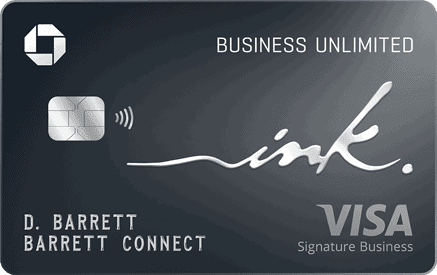
bonus cash back
after you spend $6,000 on purchases in the first 3 months from account opening.
earn 75K bonus miles
once you spend $4,000 on purchases within 3 months from account opening.

bonus points
after you spend $5,000 on purchases in the first 3 months from account opening.
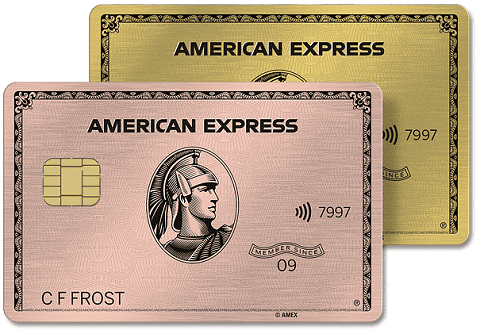
Membership Rewards® Points
after you spend $8,000 in eligible purchases on your new Card in your first 6 months of Card Membership. Welcome offers vary and you may not be eligible for an offer. Apply to know if you’re approved and find out your exact welcome offer amount – all with no credit score impact. If you’re approved and choose to accept the Card, your score may be impacted.