10xTravel is part of an affiliate sales network and receives compensation for sending traffic to partner sites, such as CreditCards.com. This site may earn compensation when a customer clicks on a link, when an application is approved, or when an account is opened. This compensation may impact how and where links appear on this site. This site does not include all financial companies or all available financial offers. Terms apply to American Express benefits and offers. Enrollment may be required for select American Express benefits and offers. Visit americanexpress.com to learn more. All values of Membership Rewards are assigned based on the assumption, experience and opinions of the 10xTravel team and represent an estimate and not an actual value of points. Estimated value is not a fixed value and may not be the typical value enjoyed by card members.
Note: Some of the offers mentioned below may have changed or may no longer be available. The content on this page is accurate as of the posting date; however, some of our partner offers may have expired. You can view current offers here.
All information about the following cards has been collected independently by 10xtravel.com: BankAmericard® Credit Card, BankAmericard® Secured, Bank of America® Customized Cash Rewards Secured Credit Card, Bank of America® Travel Rewards Secured Credit Card, Bank of America® Unlimited Cash Rewards Secured Credit Card, Bank of America® Business Advantage Customized Cash Rewards Credit Card, Bank of America® Business Advantage Travel Rewards Credit Card, Bank of America® Business Advantage Unlimited Cash Rewards Credit Card, Bank of America® Business Advantage Unlimited Cash Rewards Mastercard® Secured Credit Card, and Bank of America® Platinum Plus® Mastercard® Business Card.
Bank of America isn’t very well-known for its credit card offerings, primarily because the issuer’s rewards program isn’t quite as robust as other credit card rewards programs (such as American Express Membership Rewards or Chase Ultimate Rewards). While these programs allow you to transfer points to partner travel programs at a 1:1 ratio (and sometimes even better with their latest transfer bonuses), Bank of America has no such transfer partners. Thus, Bank of America points are generally worth 1 cent apiece, whereas other credit card rewards points can be worth much more.
Nonetheless, Bank of America still has some credit cards worth paying attention to. For instance, the Bank of America® Customized Cash Rewards credit card offers 6% cash back in a category of your choice for the first year, which is great.
So, if you’re interested in applying for the Customized Cash Rewards card or one of the other Bank of America credit cards, you’ll want to be familiar with the rules that determine whether your application will be approved.
In this article, we’ll cover everything you need to know about applying for Bank of America credit cards and earning the welcome bonuses offered by these cards.

Core Rules That Govern Bank of America Credit Cards
Approval for Bank of America credit cards is subject to a few different rules. Just like most credit cards, Bank of America credit cards typically factor in your credit score or overall creditworthiness and may also require you to be able to show proof of some sort of income.
Bank of America also employs the “2/3/4 Rule” to limit the number of Bank of America credit cards you can get in a certain time period.
The 2/3/4 Rule in Practice
The “2/3/4 Rule” refers to a widely reported, unpublished Bank of America policy that limits the number of new personal Bank of America credit cards you can be approved for. Here are the basics of this rule:
- You can only be approved for two Bank of America credit cards within a 30-day period.
- You can only be approved for three Bank of America credit cards within a 12-month period.
- You can only be approved for four Bank of America credit cards within a 24-month period.
This rule only applies to Bank of America-issued credit cards. So, applications for credit cards from other issuers won’t necessarily affect your eligibility for a new Bank of America credit card.
If you submit a new credit card application that violates one of the rules listed above, your application may be automatically rejected. However, some have also reported being approved and receiving their card, only to receive an “approved in error” message and have their card cancelled at a later date.
In either case, we recommend trying not to violate these rules. A rejected application will have a negative effect on your credit score.
It’s worth noting that Bank of America will typically reject your application if you currently have or have had the credit card you’re applying for within the past 24 months. It’s also important to note that this is a widely reported rule but isn’t an official policy published by Bank of America.
Credit Score and Profile Requirements
In addition to the 2/3/4 Rule, there are some other Bank of America credit card application rules to be aware of. Just like most other credit cards, Bank of America looks at your credit score or overall creditworthiness when considering you for a credit card.
In most cases, you’ll need to have a good credit score to be approved for one of these Bank of America credit cards:
- BankAmericard® Credit Card
- Bank of America® Premium Rewards® credit card
- Bank of America® Travel Rewards credit card
- Bank of America® Customized Cash Rewards credit card
- Bank of America® Unlimited Cash Rewards credit card
In addition to having a suitable credit score, Bank of America credit card applications may be rejected if you aren’t at least 18 years old, if you aren’t a legal resident, if you don’t have a U.S. address, if you can’t provide a Social Security Number (SSN) or Individual Taxpayer Identification Number (ITIN) or if you have large outstanding debt obligations with Bank of America or other lenders.
Bank of America does offer several credit cards for those with bad credit scores. These “secured” credit cards require a security deposit between $200 and $5,000 to open an account. This security deposit will then be used as collateral against your initial line of credit. Here are Bank of America’s secured credit options:
- BankAmericard® Secured
- Bank of America® Customized Cash Rewards Secured Credit Card
- Bank of America® Travel Rewards Secured Credit Card
- Bank of America® Unlimited Cash Rewards Secured Credit Card
These cards can help you improve your credit score so you can get approved for better credit cards in the future.
Business Card Application Rules
Bank of America also issues several small-business credit cards that are fairly similar to their personal card offerings. Here some of the best business credit cards from Bank of America:
- Bank of America® Business Advantage Customized Cash Rewards Credit Card
- Bank of America® Business Advantage Travel Rewards Credit Card
- Bank of America® Business Advantage Unlimited Cash Rewards Credit Card
- Bank of America® Business Advantage Unlimited Cash Rewards Mastercard® Secured Credit Card
- Bank of America® Platinum Plus® Mastercard® Business Card
Since these cards are issued on behalf of small businesses rather than individual consumers, there are some slightly different rules for getting approved.
Qualifying Business Types and Structures
Of course, to get approved for a Bank of America business credit card, you need to be a small-business owner. However, the definition of a “small-business owner” used by Bank of America is fairly broad, and includes freelancers, sole proprietors, LLCs and corporations.
Even if you don’t think of yourself as a small-business owner, you may be able to qualify as a freelancer or sole proprietor if you engage in any of the following activities for profit:
- Pet-sitting
- Gig economy work (like Uber, DoorDash, TaskRabbit, Upwork, Postmates and more)
- Blogging
- Graphic design
- Podcasting
- Virtual assistant
- Online tutor
Nearly any activity that you engage in to make money could potentially qualify you for a business credit card from Bank of America. However, when filling out your credit card application, you will need to provide some information about your business, including:
- Your legal business name (you can enter your own name in this field if you don’t have an official business name)
- The type of business
- Your business address (which can be your home address if you don’t have a separate business address)
- Your business’s federal tax ID number (or your social security number if you’re a freelancer or sole proprietor)
- Documents showing your business structure (typically only if you’re applying for a card for a sole proprietor, LLC or corporation)
- Your business email address and phone number
- The number of years you’ve been in business
- Your number of employees
- Your monthly expenses
- Your annual revenue
Income Verification and Supporting Documents
As mentioned above, you’ll need to provide your revenue and expenses (in other words, your income) in order to be approved for a Bank of America business credit card. Additional financial documents to prove this information may be requested. For sole proprietors and freelancers, your tax return (Form 1040) should be sufficient. You can also provide 1099-NEC or 1099-K forms that show proof of payment from specific clients or platforms. You may also be required to provide bank statements that show deposits related to your business activities.
If you’re applying for a business credit card on behalf of an LLC or corporation, you’ll probably need to provide profit and loss statements as well as business tax returns. You may also be asked to provide business bank statements.

Sign-Up Bonus Eligibility and Restrictions
One of the biggest perks of signing up for a new credit card is that you can often earn a sign-up bonus, which is usually a large sum of cash back or rewards points that you earn for signing up for a new card and completing some qualifying activity on that card.
In order to earn a Bank of America sign-up bonus, you’ll need to be approved for an eligible Bank of America credit card, then spend a certain amount on that card within a designated amount of days after account opening, oftentimes 90 days.
In general, you won’t earn any welcome bonuses for signing up for secured credit cards from Bank of America.
Waiting Periods Between Bonuses
Often, banks will restrict the number of sign-up bonuses you can earn in close succession (to prevent consumers from gaming the system just to earn bonuses). Bank of America offers will disclosure if there are bonus restrictions, such as one bonus offer per new account. Typically they carry 24-month same-card availability language in the offer. Generally, if you’re approved for a Bank of America credit card, you will be able to earn that card’s welcome bonus if you meet the spending requirement.
BofA Rewards Status and Its Role in Applications
The BofA Rewards program allows qualifying members to earn bonus cash back or points on most purchases made with a Bank of America credit card (on top of the spending bonuses that the card already earns).
There are four tiers to the BofA Rewards program. Tiers above the Member level are earned by maintaining a minimum combined balance in eligible Bank of America personal checking accounts and Merrill Investment accounts. The following table includes the minimum balance you must maintain across these accounts for each status tier, as well as the bonus each tier will earn you:
| BofA Rewards tier | Minimum combined balance required | Spending bonus |
|---|---|---|
| Member | No minimum balance | 10% |
| Preferred Plus | $30,000 | 25% |
| Preferred Honors | $100,000 | 50% |
| Premier | $1 million+ | 75% |
So, for example, let’s say that you had $40,000 in a Bank of America personal checking account and $65,000 in a Merrill Investment account for a combined total of $105,000.* Thus, you would have Preferred Honors status in the BofA Rewards program and receive a 50% bonus on eligible rewards on all purchases made with your Bank of America credit card.
For example, a $100 purchase on the Unlimited Cash Rewards card ordinarily earns $1.50 in cash back. With your 50% Preferred Honors rewards bonus, it earns $2.25 ($1.50 in regular rewards plus a $0.75 bonus = $2.25 total rewards).
While membership or a high tier in the BofA rewards program doesn’t increase the likelihood of credit card approval on its own, Bank of America does consider whether an applicant has a positive existing relationship with the bank when looking at credit card applications.
*BofA Rewards enrollment requires an eligible Bank of America personal checking account. Tier eligibility is generally based on your combined average balance over three calendar months across qualifying Bank of America deposit accounts and Merrill investment accounts. During the first 30 days after initial enrollment, you may qualify for a higher tier by maintaining the required combined daily balance for at least three business days. Rewards bonuses apply to eligible credit cards and qualifying rewards.
Optimal Application Timing and Sequencing
In applying for a new credit card, your timing can have a great impact on your chances of approval. In particular, you want to submit your application when your credit score is at its highest. There are several factors that affect your credit score, including:
- Payment history: This is the most important factor, and it depends on how often you’ve made your debt payments (including credit card payments, mortgage payments, auto loan payments and more) on time in the past.
- Credit utilization: This is the percentage of your available credit that’s currently in use. For instance, if you had $100,000 in available credit and you utilized $20,000, your credit utilization would be 20%. It’s best to keep this number under 30% (with below 10% being ideal).
- Average length of credit history: This is the average amount of time that your credit accounts have been open. For instance, if you had one credit card that was 10 years old, one that was three years old and another that was two years old, your average length of credit history would be five years.
- New credit: This is the number of new credit accounts that you’ve recently opened and the number of hard inquiries on your credit report.
- Credit mix: This is how many different types of credit you have, such as credit cards, mortgages and auto loans.
With these factors in mind, there are a few timing issues that can affect the chances of approval for a new Bank of America credit card. For one, you’ll want to have paid down any balances that you have on any other credit cards as low as possible before you apply. This will lower your credit utilization ratio and improve your credit score.
It’s also important to consider whether you’ve recently applied for a new credit card and had a hard inquiry on your credit report. Hard inquiries typically result in a drop in your credit score of around five points or less. However, hard inquiries are always removed from your credit score within two years. So, if you’re considering applying for a new Bank of America credit card, you may want to wait until any hard inquiries disappear from your credit report.
Best Order for Multiple Card Applications
If you plan on applying for multiple Bank of America credit cards, it’s important to pay attention to your timing. As mentioned above, approval for Bank of America credit cards is subject to the 2/3/4 Rule. So, you’ll want to wait until you’re in compliance with this rule before you apply for a new credit card from Bank of America.
Once again, applying for new credit cards will result in a temporary dip in your credit score (of around five points or less). So, if you’ve recently applied for a Bank of America credit card, you may want to wait for your credit score to rebound before applying for another one.

Methods to Strengthen Your Approval Odds
Apart from complying with Bank of America’s approval rules and keeping your credit score as high as possible, there are other things you can do to improve your odds of approval for a Bank of America credit card. Bank of America also considers an applicant’s “internal relationship” with the bank when looking at credit card applications. This means your chances of approval will be higher if you have a positive history with Bank of America (or Merrill Investments).
Using Deposits and Investments to Build Trust
If you’re interested in applying for a Bank of America credit card, but you’re unsure of whether or not you’ll be approved, you can improve your approval odds by building an internal relationship with Bank of America.
One way to do this is by opening a checking or savings account with Bank of America. There’s no credit score requirement for opening these types of accounts. However, they will look at your banking history before approving you. Overdrafts, bounced checks or charged-off accounts may exclude you from being approved for a Bank of America checking or savings account.
Another way to improve your internal relationship with Bank of America is to open an account with Merrill Investments (since Merrill was acquired by Bank of America in 2008). Minimum investment amounts vary by account type, but you can open a Merrill Investments account with $0.
Product Change Rules Within Card Families
If you already have a Bank of America credit card and you’re interested in getting a different Bank of America credit card, it may be worth looking into a product change. A product change occurs when you replace one credit card with another credit card in the same family.
For instance, if you had the Bank of America Premium Rewards card, and you didn’t want to pay the card’s $95 annual fee, but you wanted to keep that credit account open, you might be able to product-change down to the no-annual-fee Travel Rewards card.
The best way to perform a product change is to call Bank of America customer service. However, in order to have a product change approved, your account has to have been open for at least one year and be in good standing.
It’s worth mentioning that, when you product change from one card to another, you won’t be eligible for a welcome bonus from the new card.
Proven Practices for Smooth Credit Card Approvals
Getting a credit card application rejected can have a negative effect on your credit score. So, to avoid this, it’s important to familiarize yourself with the rules around approval for certain credit cards. Most credit cards have a minimum credit score requirement, including most Bank of America credit cards. However, if you’re unable to meet this credit score requirement, you may want to consider signing up for one of Bank of America’s secured credit cards, which require a security deposit but are good tools for building credit.
It’s also important to pay attention to Bank of America’s 2/3/4 Rule, which says that you can only be approved for two Bank of America credit cards in a 30-day period, three cards in a 12-month period and four cards in a 24-month period. Violating any of these rules may cause your application to be rejected.
By paying attention to these rules and the other regulations mentioned in this article, you can ensure that you have the best opportunity to get your Bank of America credit card application approved.

New to the world of points and miles? The Capital One Venture Rewards Credit Card is the best card to start with.
Current offer: Limited Time Offer: Enjoy a $300 stays credit, plus earn 75K bonus miles once you spend $4,000 on purchases within 3 months from account opening.
Earn 5X miles on hotels, vacation rentals and rental cars booked through Capital One Travel; 2X miles on all purchases.
Editors Note: Opinions expressed here are author’s alone, not those of any bank, credit card issuer, hotel, airline, or other entity. This content has not been reviewed, approved or otherwise endorsed by any of the entities included within the post.
10xTravel is part of an affiliate sales network and receives compensation for sending traffic to partner sites, such as CreditCards.com. This site may earn compensation when a customer clicks on a link, when an application is approved, or when an account is opened. This compensation may impact how and where links appear on this site. This site does not include all financial companies or all available financial offers. Terms apply to American Express benefits and offers. Enrollment may be required for select American Express benefits and offers. Visit americanexpress.com to learn more. All values of Membership Rewards are assigned based on the assumption, experience and opinions of the 10xTravel team and represent an estimate and not an actual value of points. Estimated value is not a fixed value and may not be the typical value enjoyed by card members.
Editors Note: Opinions expressed here are author’s alone, not those of any bank, credit card issuer, hotel, airline, or other entity. This content has not been reviewed, approved or otherwise endorsed by any of the entities included within the post.
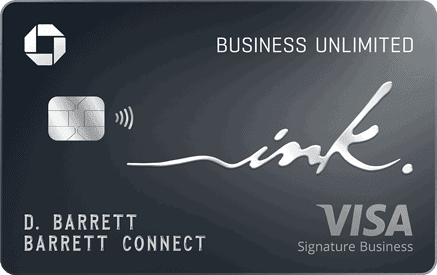
bonus cash back
after you spend $6,000 on purchases in the first 3 months from account opening.
earn 75K bonus miles
once you spend $4,000 on purchases within 3 months from account opening.

bonus points
after you spend $5,000 on purchases in the first 3 months from account opening.
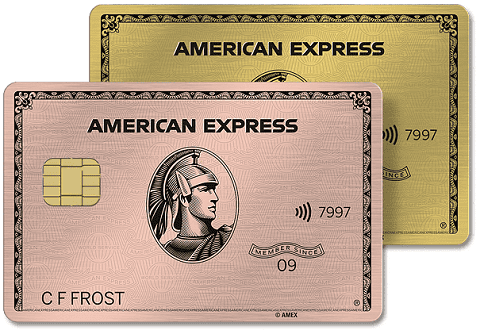
Membership Rewards® Points
after you spend $8,000 in eligible purchases on your new Card in your first 6 months of Card Membership. Welcome offers vary and you may not be eligible for an offer. Apply to know if you’re approved and find out your exact welcome offer amount – all with no credit score impact. If you’re approved and choose to accept the Card, your score may be impacted.