

10xTravel is part of an affiliate sales network and receives compensation for sending traffic to partner sites, such as CreditCards.com. This site may earn compensation when a customer clicks on a link, when an application is approved, or when an account is opened. This compensation may impact how and where links appear on this site. This site does not include all financial companies or all available financial offers. Terms apply to American Express benefits and offers. Enrollment may be required for select American Express benefits and offers. Visit americanexpress.com to learn more. All values of Membership Rewards are assigned based on the assumption, experience and opinions of the 10xTravel team and represent an estimate and not an actual value of points. Estimated value is not a fixed value and may not be the typical value enjoyed by card members.
Note: Some of the offers mentioned below may have changed or may no longer be available. The content on this page is accurate as of the posting date; however, some of our partner offers may have expired. You can view current offers here.
What is it about Hawaii that draws millions of visitors every year? Apart from being the epitome of paradise on Earth, the islands offer a perfect balance between relaxation and adventure. You can choose to spend your days lounging on powdery beaches or hiking the breathtaking mountain trails—both options are equally valid.
Hawaii offers several islands to choose from, and figuring out which one to visit can be tricky. You’ve got the natural buzz of Oahu, the sweeping coastal views of Maui, the slow-paced charm of Kauai and the rugged landscapes of the Big Island. Each one defines paradise in its own unique way.
In this guide, we’ll give you an overview of five islands and what makes each island special, who it’s best suited to and which island might be right for you and your travel crew. Whether you’re planning a romantic honeymoon or just your next laid-back escape, consider this your introduction to discovering the best that these Hawaiian islands have to offer.
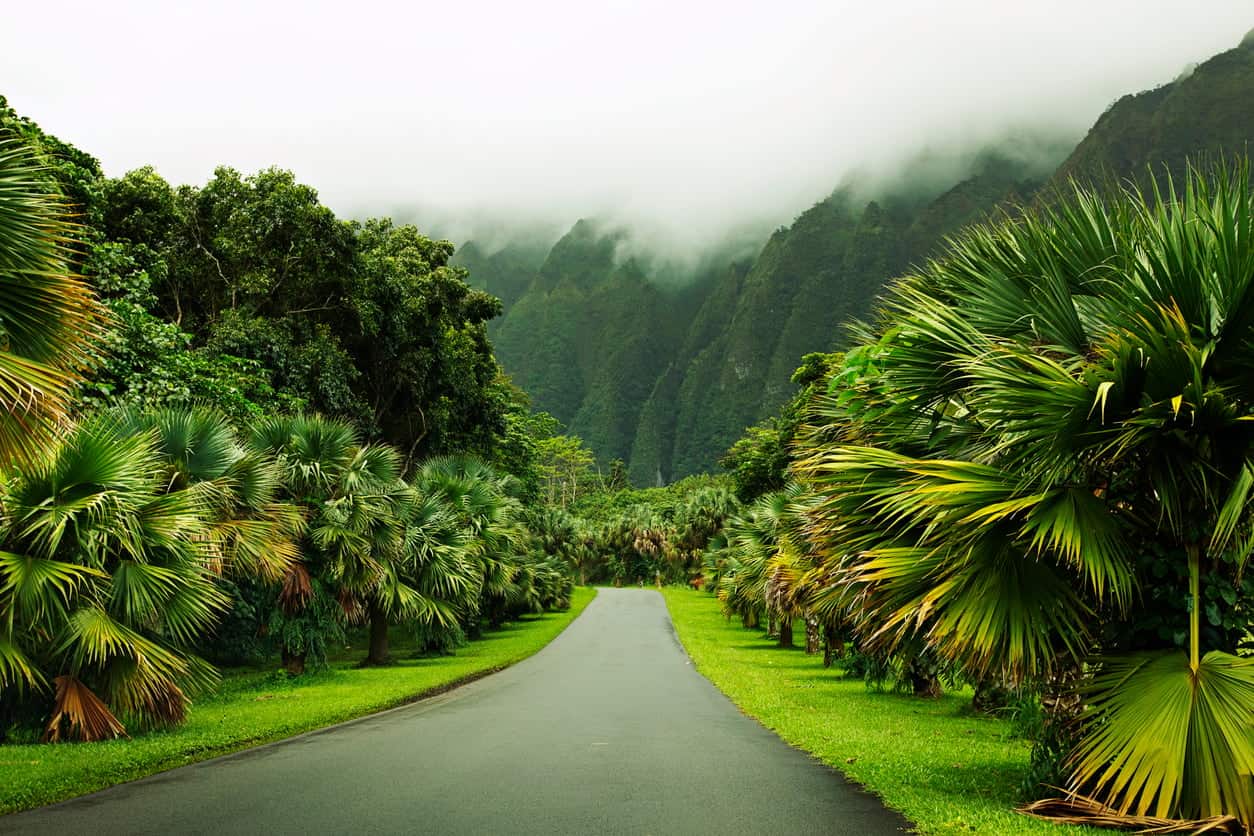
Hawaii: A Tropical Paradise of Diverse Islands
Hawaii is more than just beaches and pretty scenery. It’s a chain of islands shaped by volcanic activity, ocean currents and centuries of rich cultural history. Thanks to its tropical climate, Hawaii enjoys warm temperatures year-round, though you might be surprised to know that many areas of Hawaii are lush and rainy for much of the year. Put simply, each island offers a different climate and overall vibe, which is exactly what makes Hawaii such a compelling place to explore.
The Hawaiian Archipelago: More Than Just Beach Destinations
The Hawaiian islands are a true marvel of nature, formed by volcanic activity over millions of years. Each island varies greatly in age and terrain. The Big Island is actually the youngest of the islands and is known for its active volcanoes and vast lava fields, while older islands such as Kauai feature dramatic, sharp-edged cliffs and deep valleys shaped by millions of years of erosion.
Yes, you’ll find the pristine beaches that you see on postcards in Hawaii, but you’ll also find plenty of geographic diversity. It’s rare to encounter another place in the world where you’ll see dense rainforests, windswept coastal cliffs, black sand beaches and snow-capped mountain peaks all on the same island.
Hawaiian Culture and History: A Unique Blend
Beyond the incredible scenery, Hawaii’s deep cultural heritage adds depth to every visit. Native Hawaiian traditions are grounded in a close relationship between the land and sea, expressed through the spirit of aloha, which represents love and peace. These traditions continue to shape modern island life and remain central to Hawaii’s identity.
Over the centuries, waves of immigration from countries such as Japan, Portugal and the Philippines have contributed to the cultural melting pot. This influence can be seen in everything from Hawaii’s language and cuisine to its architecture. Key historical moments, such as the overthrow of the Hawaiian Kingdom and its eventual statehood in 1959, have further shaped its complex story. Today, this blend of traditions and cultures is an essential part of the Hawaiian experience for visitors to the islands.
Choosing Your Ideal Hawaiian Island: Factors to Consider
Choosing the right island depends on how you like to travel. Are you a morning person who likes to wake up early for sunrise hikes and a full day outdoors? Or are you into leisurely mornings spent lounging at the beach and enjoying great food?
Some islands are known for their slower pace, while others make it easy to pack your schedule from sunrise to sunset. Budget plays a key role, too, so let’s quickly break down the main things you should think about before your trip.
Activities and Attractions: Finding Your Perfect Match
Hawaii delivers no shortage of things to do, but the mix of activities can vary significantly from island to island.
If you’re into beach activities such as surfing, snorkeling and parasailing, you’ll find strong options across all of the islands. Oahu is perhaps best known for its legendary surf breaks while still offering beaches with gentler waves for beginners. Other islands, such as Maui and Kauai, offer other water-based activities, such as boat trips and scenic coastal adventures, while the Big Island’s rugged terrain delivers plenty of hiking trails and opportunities to explore volcanoes and lava tubes.
Budget Considerations: Island by Island Comparison
In general, Hawaii isn’t known for being wallet-friendly. Oahu tends to be the most affordable island due to its wide range of hotels, dining options and frequent flights from the mainland United States.
In contrast, Maui tends to dominate the other end of the price spectrum. While cheap accommodation options definitely exist, there’s a high concentration of luxury resorts, beachfront properties and upscale dining options.
Kauai and the Big Island typically fall somewhere in the middle. Kauai’s smaller size means fewer hotels, which can significantly drive up costs in peak season, while the Big Island offers a good variety of accommodation, including both budget-friendly vacation rentals and luxury resorts.
Lanai is in a category all of its own. It’s a luxury-focused destination featuring only a few world-class resorts. As a result, prices are intentionally high and options are limited.
Atmosphere and Vibe: From Bustling Cities to Secluded Retreats
In terms of atmosphere, Oahu has the most urban feel, especially in Waikiki, where high-rise hotels, nightlife, shopping and dining are all within walking distance. It’s fast-paced and energetic, yet still close to the world-renowned Waikiki Beach.
Maui, on the other hand, strikes a balance between polished and laid-back. You can spend most of your time at luxury resorts with upscale dining options or choose to explore quiet beaches and scenic drives.
The Big Island feels adventurous and expansive, perfect for outdoor enthusiasts. You’ll typically find fewer crowds here as you explore the island’s breathtaking landscapes. Kauai is also noticeably quieter and more nature-forward, with plenty of small towns where locals live a slower-paced, peaceful life.
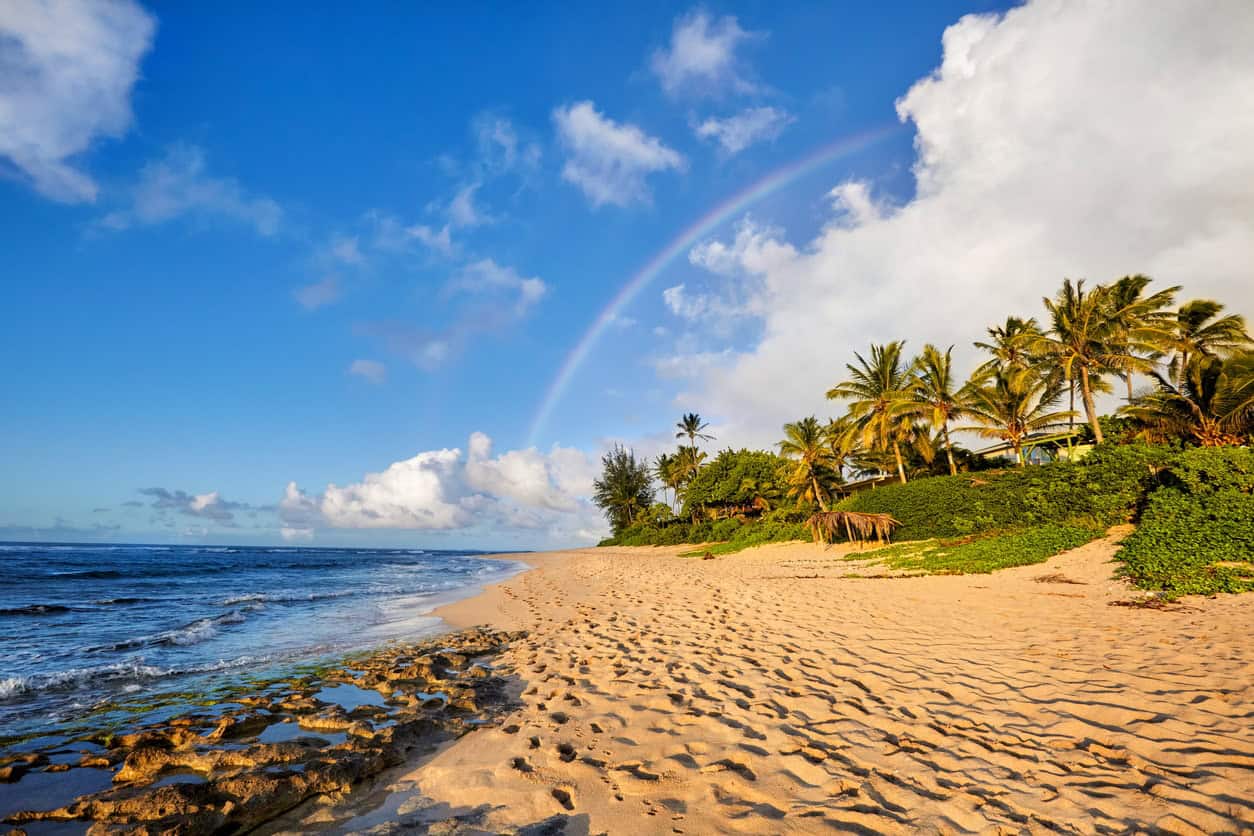
Oahu: The Heart of Hawaii
Oahu is often the go-to choice for first-time visitors to Hawaii. It’s the most populated island with a vibrant mix of city life and incredible natural scenery. If you’re looking for options that cater to your entire travel party, Oahu delivers.
Honolulu and Waikiki: Urban Paradise
Honolulu and Waikiki form the energetic heart of Oahu. This is where you’ll find the iconic Waikiki Beach with towering hotels and the famous outline of Diamond Head in the background. It’s a place where you can swim, surf, paddleboard or simply stretch out on the sand, cold drink in hand.
Honolulu is also a shopper’s paradise. You’ll find luxury brands at the Ala Moana Center along with many local boutiques and street markets in Waikiki. When the sun goes down, the city comes alive, bustling with live music and rooftop bars—something you won’t find on many of the other islands.
In a word, Waikiki is busy, but that’s part of its charm.
Beyond the City: Oahu’s Natural Wonders
Venture beyond Honolulu, and Oahu reveals an entirely different side.
The North Shore is world-famous for its surf culture. Even if you’re not riding the waves, you can often catch a glimpse of professional surfers taking on the massive swells.
Hanauma Bay is another standout attraction, especially if snorkeling is high on your list. This protected marine conservation area offers clear waters with opportunities to see vibrant coral reefs and local tropical fish.
Finally, there are plenty of hikes to choose from, including Diamond Head, Makapu’u Point and Koko Crater, all of which offer incredible views at the top. If you’d rather drive, Oahu also offers lots of great lookout points that are accessible by car, such as Nu’Uanu Pali and Tantalus.
Historical Sites: Pearl Harbor and More
Oahu is home to some of the most important historical sites in all of Hawaii.
Pearl Harbor is the most well known, serving as both a memorial and an active military base. Visiting the USS Arizona Memorial is a powerful and humbling experience that gives visitors a chance to understand the complicated events of World War II and its impact on U.S. history.
Beyond Pearl Harbor, you’ll find places such as Iolani Palace, which tells the story of the Hawaiian monarchy. For a deeper dive into Hawaiian culture, visit the Polynesian Cultural Center, complete with local performances and an elaborate luau.
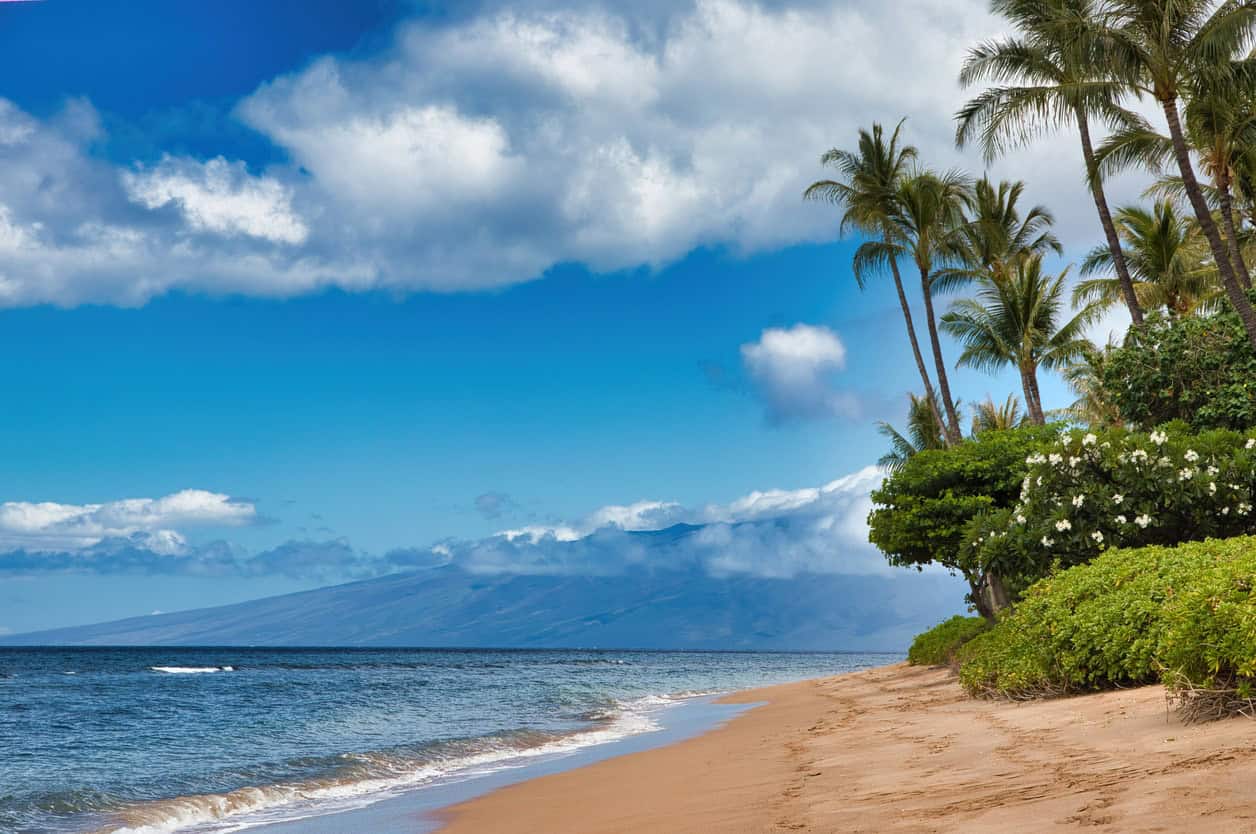
Maui: The Valley Isle
Maui is often considered the sweet spot between adventure and luxury. Known as the Valley Isle, it’s where you can find yourself starting your day on a hiking trail at sunrise and ending it with a sunset dinner at a waterfront restaurant.
Beaches and Water-Based Activities: Maui’s Coastal Treasures
Maui’s coastline is packed with some of the most famous beaches in Hawaii. You’ll find stretches of golden sand, such as Ka’anapali Beach, that are great for swimming and sunbathing, while Wailea’s beaches are more upscale and resort-focused.
One of Maui’s signature highlights is snorkeling at Molokini Crater, a partially submerged volcanic crater known for its crystal-clear water and colorful marine life. Boat tours run daily to Molokini, making it one of the easiest and most memorable underwater experiences on the islands.
If you’re visiting during the winter months, Maui is one of the best places to go whale watching. Humpback whales migrate through the surrounding waters, and boat tours allow visitors to get up close to the action.
Haleakala and Upcountry: Maui’s Mountainous Side
While many people think of Maui primarily as a beach destination, its mountains are just as impressive. Haleakala National Park is the star of the show; it’s home to a massive volcanic valley that makes you feel like you’re on another planet.
Sunrise tours at Haleakala are a bucket-list experience. Waking up at 4 a.m. might not sound fun on vacation, but watching the sun break over a sea of clouds from the 10,000-foot summit makes it all worthwhile. If sunrise isn’t your style, the sunset views are just as magical and far less crowded.
Haleakala is in Upcountry Maui, where you’ll find green hills, lavender farms and local wineries—probably not what you’d expect from a Hawaiian island. This rural area is cooler, quieter and a great way to see farming and agriculture in action on the islands.
The Road to Hana: A Journey Through Paradise
The Road to Hana is a famous winding highway that hugs Maui’s northeastern coastline. Along the way, you’ll pass by dozens of one-lane bridges, hidden waterfalls, bamboo forests and roadside fruit stands selling fresh pineapple.
Popular stops include Twin Falls, Waianapanapa State Park and the Pools of ‘Ohe‘o. However, don’t hesitate to pull over when something catches your eye. The Road to Hana is best enjoyed at a leisurely pace, letting the journey itself be the highlight of the day.
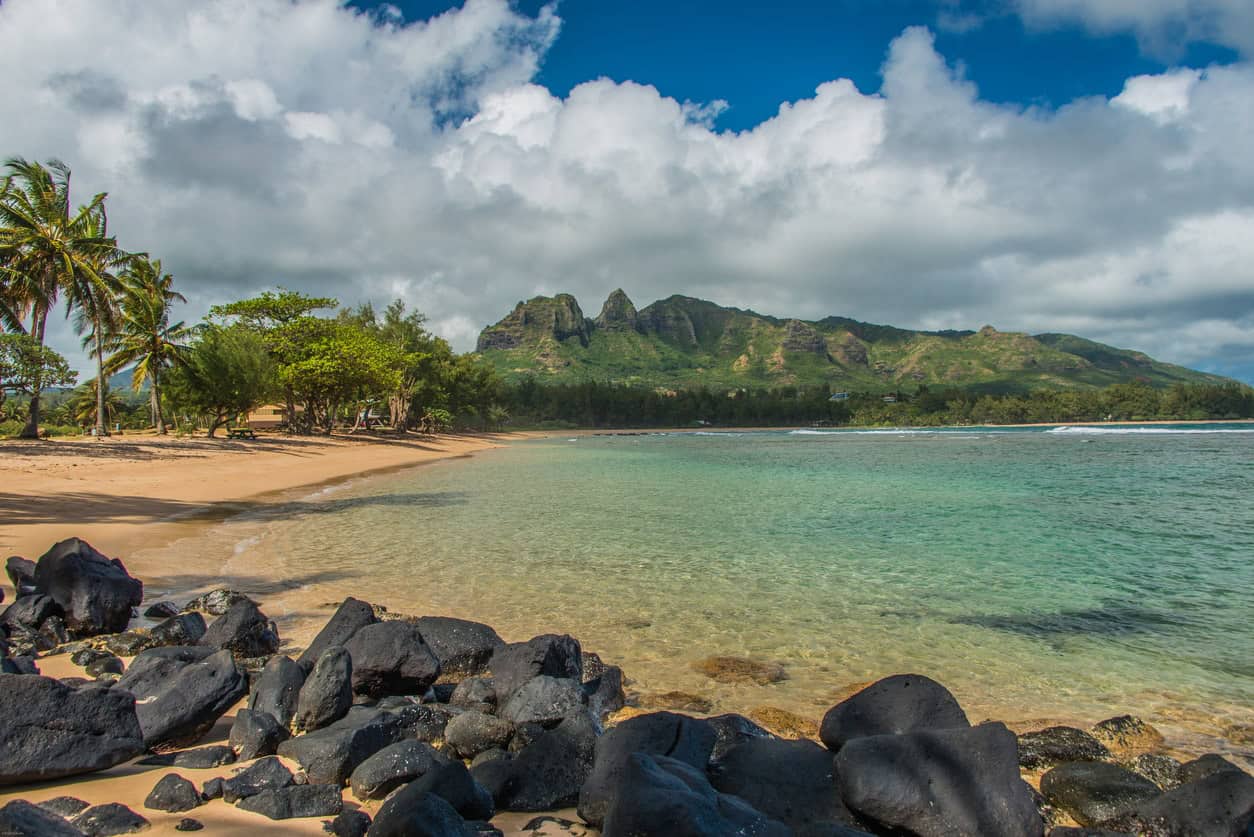
Kauai: The Garden Isle
Known as the Garden Isle, Kauai is the oldest of the main islands, which means it’s had plenty of time for nature to work its magic. This is the island for travelers who truly want to unplug. If your idea of a perfect trip leans more toward scenic views and leisurely beach days, Kauai fits the bill perfectly.
Na Pali Coast: Kauai’s Crown Jewel
Look up photos of the Na Pali Coast, and it simply looks unreal—you truly have to see it to believe it. This dramatic coastline is known for its towering cliffs with razor-sharp ridges and valleys that drop straight into the ocean.
There are several ways to experience this stunning coastline, and each one feels unique. Many travelers choose to take a boat tour to see the coastline from the water, while avid hikers can choose to walk portions of the Kalalau Trail to see the views up close. If you’re a thrill-seeker, consider splurging on a helicopter ride for a bird’s eye view of the entire stretch.
Waimea Canyon: The Grand Canyon of the Pacific
When I visited Kauai, a local told me that they were really disappointed when they visited the Grand Canyon because Waimea Canyon had set the bar too high.
This incredible canyon features layers of deep green vegetation atop layers of rusty red rock. It’s yet another example of erosion at work, which has carved and sculpted the area over many years. The viewpoints alone are worth the trip, but if you like to hike, the surrounding trails take the experience to another level. From easy lookout walks to more challenging descents into the canyon, there’s a trail for everyone.
Beaches and Towns: Kauai’s Charming Coastal Life
Kauai’s beaches are quieter and less developed than those on other islands. In particular, Hanalei Bay feels like something straight out of a movie scene, with its golden sand, gentle waves and lush mountain backdrop.
Poipu Beach, located on the southern side of the island, is a favorite for swimming and turtle spotting—some turtles even come ashore and bask in the sun. It’s a great spot for families and for classic beach activities such as snorkeling and surfing.
While you’re here, explore the small towns scattered around the island. Koloa offers a glimpse into the island’s plantation past, Hanalei has a laid-back, artsy vibe and Kapa’a offers a slightly more lively local scene.
Big Island (Hawaii): The Island of Adventures
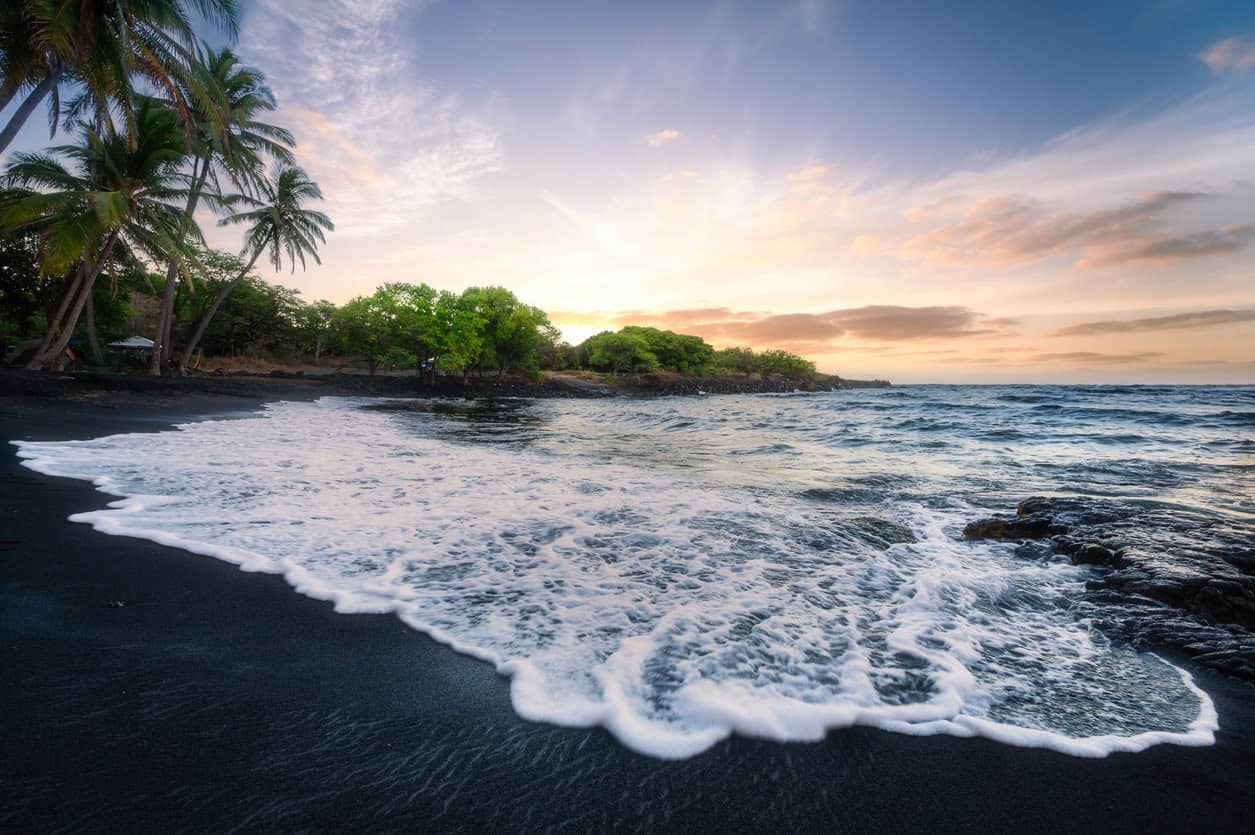
If you’re craving variety, the Big Island (also known as Hawaii island) might be your best match. It’s the largest of all the islands and easily the most diverse, offering everything from active volcanoes to rainforests and black sand beaches. It’s perfect for outdoorsy adventurers and explorers.
Volcanoes National Park: Witness Earth’s Power
Hawaii Volcanoes National Park is one of the most unique national parks in the world. Here, you’ll have a chance to witness firsthand the forces that created the islands.
You can walk through lava tubes, hike across hardened lava fields and stand near steaming vents that remind you the ground below is still very much alive. If you’re lucky, you may even see glowing lava—a truly surreal sight.
Even when lava flows aren’t active, the landscape itself is striking. The cracks in the earth and vast blackened fields make this area feel more like another planet than a tropical island.
Mauna Kea: From Sea Level to Stars
Mauna Kea isn’t just one of the most remarkable volcanoes on Earth; it’s also one of the world’s leading astronomical research sites, with massive telescopes perched near its summit.
Visitors to Mauna Kea can experience sunset above the clouds at nearly 14,000 feet above sea level (surpassing Haleakala’s 10,000 feet). Stargazing tours are another highlight, with guided experiences that can help you spot planets, galaxies and constellations that are tough to see from most places on Earth.
Unique Beaches and Water Activities
The Big Island’s beaches can look quite different compared to the typical golden sand seen in most postcards. One of the most famous examples is Punalu‘u beach, which features jet-black sand created by volcanic activity. You’ll also often see sea turtles lounging here.
The Papakolea Green Sand Beach is another rare sight, formed from olivine crystals that give the sand a subtle green tint. It’s one of just four green sand beaches in the world.
On the water, the Big Island also offers excellent snorkeling, surfing and diving. For a more unique activity, try the manta ray night snorkel experience. Floating in the dark ocean while giant manta rays glide inches beneath you is a must for any Hawaii bucket list.
Lanai: Luxury and Seclusion
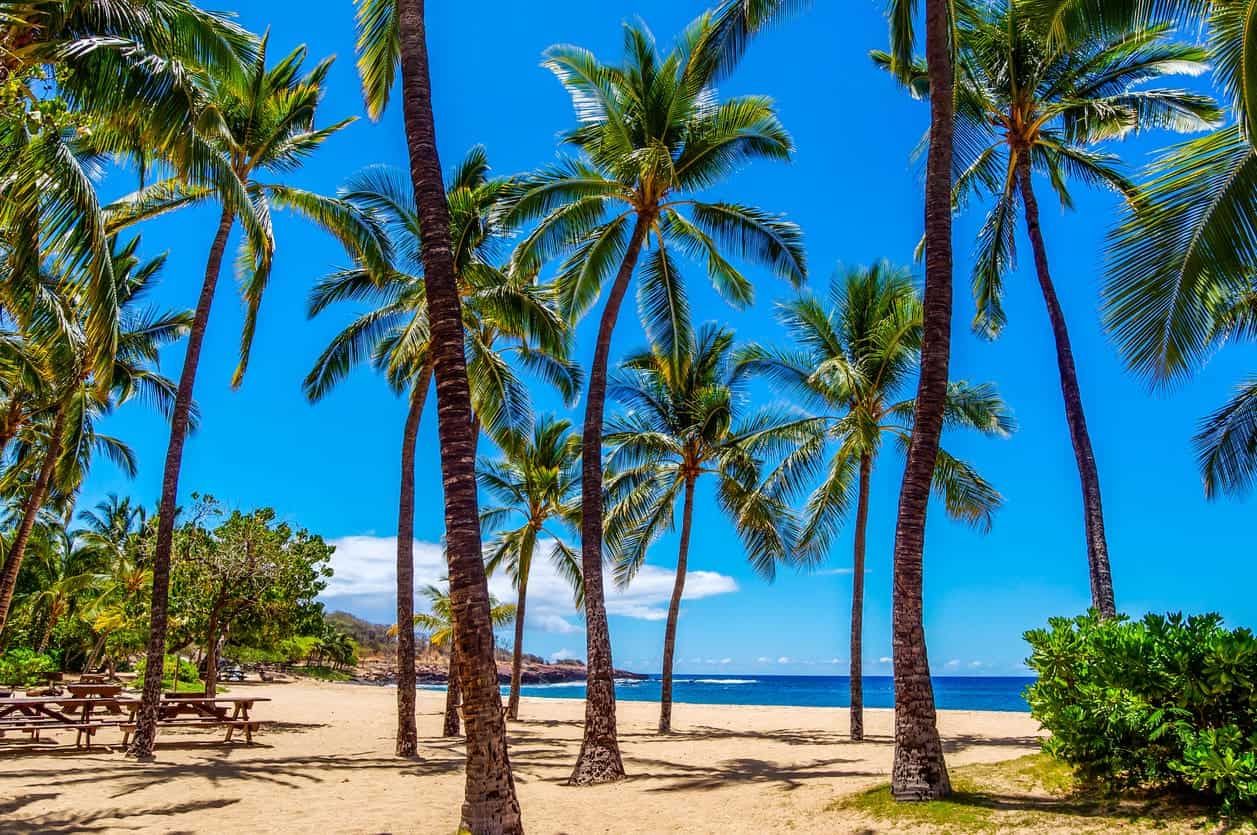
Lanai is Hawaii’s quietest and most exclusive island. With just a few thousand residents and limited commercial development, it’s not usually a spot where travelers spend the majority of their Hawaii vacation. However, a short visit for a day or two can offer a true escape from everyday life.
World-Class Resorts and Golf
Lanai’s two main luxury resorts are Four Seasons properties, but the island also has Hotel Lānaʻi and some licensed vacation rentals. While you shouldn’t expect reasonable prices at the Four Seasons properties, you can look forward to an intimate, high-end experience complete with luxury spas and restaurants.
Golfers will also feel right at home on Lanai. The Manele Golf Course at the Four Seasons offers a challenging layout overlooking Hulopoe Bay. For a more relaxed outing, visitors can head to Cavendish Golf Course, a nine-hole course that’s free to use.
Off-the-Beaten-Path Adventures
While Lanai is known for its luxury, it also offers rugged off-road experiences for the adventurous. You can rent a Jeep in town and drive to remote beaches such as Shipwreck Beach, where you can examine the remains of an abandoned vessel off the coast. You can also visit Keahiakawelo, Lanai’s “Garden of the Gods,” where the red rock formations will make you feel like you’ve left Hawaii and landed on Mars.
Choosing Your Perfect Hawaiian Island
Now that you’ve discovered the unique rhythm and personality of each island, it’s time to plan your perfect Hawaiian getaway. Oahu tends to be energetic, Maui more luxurious, Kauai slower-paced, the Big Island naturally breathtaking and Lanai the most exclusive. There’s no single best island; the one that’s most suited to you depends on your travel habits.
If you still can’t decide, the best part about Hawaii is that you don’t have to limit yourself to just one island. Most islands are just a short plane ride away, so don’t be afraid to island-hop.

New to the world of points and miles? The Capital One Venture Rewards Credit Card is the best card to start with.
Current offer: Limited Time Offer: Enjoy a $300 stays credit, plus earn 75K bonus miles once you spend $4,000 on purchases within 3 months from account opening.
Earn 5X miles on hotels, vacation rentals and rental cars booked through Capital One Travel; 2X miles on all purchases.
Editors Note: Opinions expressed here are author’s alone, not those of any bank, credit card issuer, hotel, airline, or other entity. This content has not been reviewed, approved or otherwise endorsed by any of the entities included within the post.
10xTravel is part of an affiliate sales network and receives compensation for sending traffic to partner sites, such as CreditCards.com. This site may earn compensation when a customer clicks on a link, when an application is approved, or when an account is opened. This compensation may impact how and where links appear on this site. This site does not include all financial companies or all available financial offers. Terms apply to American Express benefits and offers. Enrollment may be required for select American Express benefits and offers. Visit americanexpress.com to learn more. All values of Membership Rewards are assigned based on the assumption, experience and opinions of the 10xTravel team and represent an estimate and not an actual value of points. Estimated value is not a fixed value and may not be the typical value enjoyed by card members.
Editors Note: Opinions expressed here are author’s alone, not those of any bank, credit card issuer, hotel, airline, or other entity. This content has not been reviewed, approved or otherwise endorsed by any of the entities included within the post.

bonus cash back
after you spend $6,000 on purchases in the first 3 months from account opening.
earn 75K bonus miles
once you spend $4,000 on purchases within 3 months from account opening.

bonus points
after you spend $5,000 on purchases in the first 3 months from account opening.
Membership Rewards® Points
after you spend $8,000 in eligible purchases on your new Card in your first 6 months of Card Membership. Welcome offers vary and you may not be eligible for an offer. Apply to know if you’re approved and find out your exact welcome offer amount – all with no credit score impact. If you’re approved and choose to accept the Card, your score may be impacted.