10xTravel is part of an affiliate sales network and receives compensation for sending traffic to partner sites, such as CreditCards.com. This site may earn compensation when a customer clicks on a link, when an application is approved, or when an account is opened. This compensation may impact how and where links appear on this site. This site does not include all financial companies or all available financial offers. Terms apply to American Express benefits and offers. Enrollment may be required for select American Express benefits and offers. Visit americanexpress.com to learn more. All values of Membership Rewards are assigned based on the assumption, experience and opinions of the 10xTravel team and represent an estimate and not an actual value of points. Estimated value is not a fixed value and may not be the typical value enjoyed by card members.
Note: Some of the offers mentioned below may have changed or may no longer be available. The content on this page is accurate as of the posting date; however, some of our partner offers may have expired. You can view current offers here.
Managing business expenses doesn’t have to be a juggling act. Issuing your team with employee credit cards streamlines company spending, simplifies accounting and unlocks valuable rewards that can directly benefit your bottom line.
Whether you’re running a small LLC or scaling an enterprise, understanding how employee cards work and which benefits extend to your team can help you make smarter financial decisions while maintaining control and oversight.
If you play your cards right, you can unlock complimentary lounge access, elite hotel status and rental car benefits for your team, among other perks, streamlining their travel experiences while earning your business additional rewards.
Here’s a breakdown of employee cardholder benefit entitlements and restrictions, organized by card issuer.

Employee Cards: What You Need to Know
Issuing your employees with their own credit cards comes with a number of benefits.
The first benefit is that all your company spending can be connected to a single account. Instead of having your employees pay for travel and other miscellaneous expenses using their own cards and then requiring them to submit receipts for reimbursement, you can issue them a company card to cover all business-related expenditure.
By doing so, accounting becomes far easier, and unnecessary back-and-forth is reduced.
As the primary account holder, you also can set individual spending limits for each employee card that you issue, allowing you to stay in control of company expenditure and give certain employees greater spending freedom than others.
In addition to these benefits, all employee expenditure earns rewards—points, miles or cash back—that is credited directly to your account. You can then use these rewards to offset your LLC’s operational costs in other aspects, be it to cover overhead or pay for employee travel. This is effectively free money that every business owner should be utilizing to reduce their outgoing expenses.
That said, it’s important to keep in mind that you, as the primary cardholder, remain responsible for paying off all charges made to your account. This is where trust and spending limit controls come in handy.
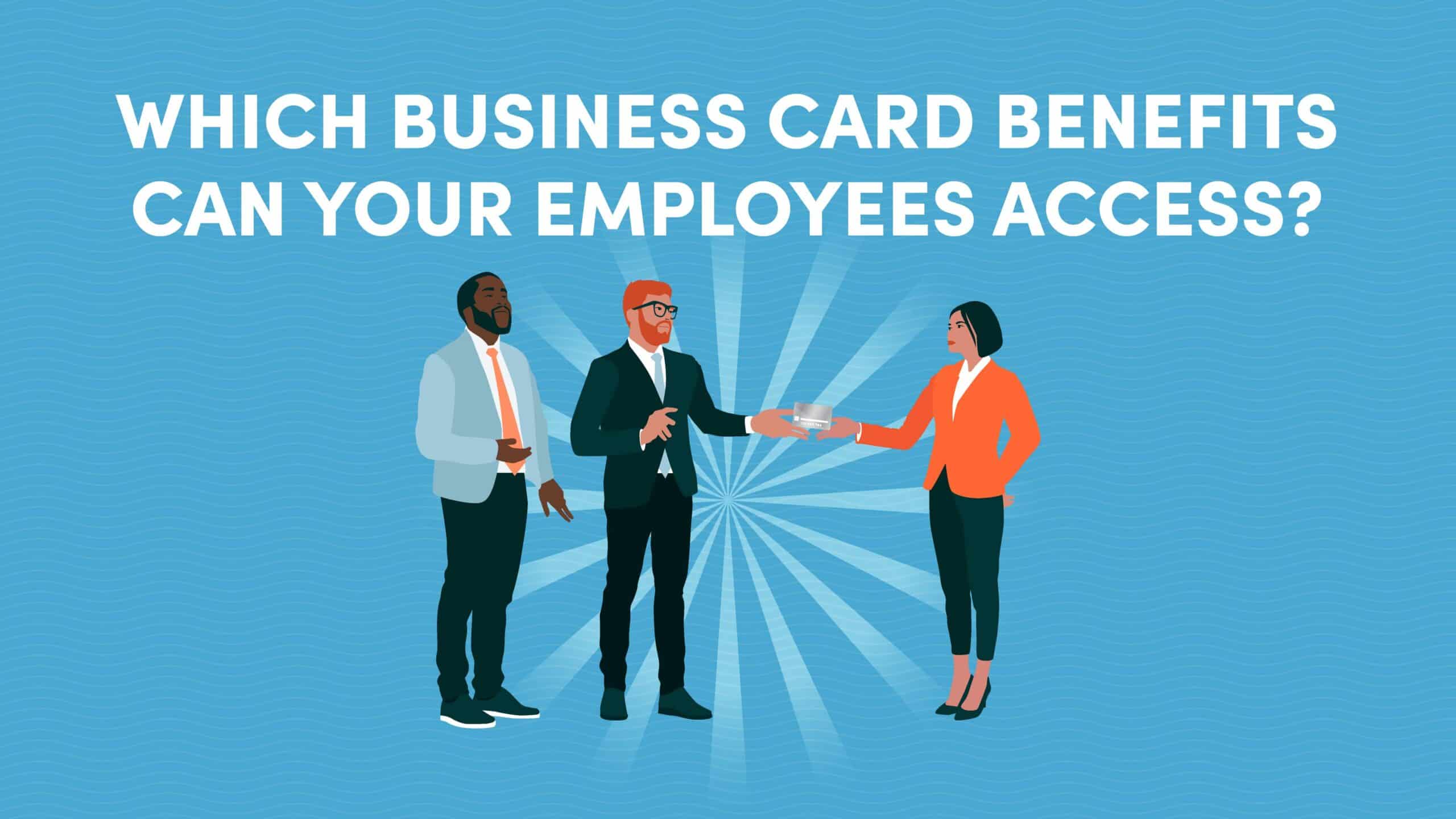
Which Card Benefits Can Your Employees Access?
Employee benefit entitlements and restrictions vary widely by both the card issuer and specific card you hold.
Here’s an issuer-by-issuer breakdown of the main employee benefits and limitations for each of the major small business credit cards offered.
American Express
American Express has a strong portfolio of business credit cards with benefits for employee cardholders to match. Amex offers the following small-business credit cards:
- Amazon Business Card (see rates and fees)
- Amazon Business Prime Card (see rates and fees)
- American Express® Business Gold Card (see rates and fees)
- Blue Business Cash™ Card (see rates and fees)
- Business Green Rewards Card from American Express
- Delta SkyMiles® Gold Business Card (see rates and fees)
- Delta SkyMiles® Platinum Business Card (see rates and fees)
- Delta SkyMiles® Reserve Business Card (see rates and fees)
- Marriott Bonvoy Business® Credit Card (see rates and fees)
- The Blue Business® Plus Credit Card (see rates and fees)
- The Business Platinum Card® from American Express (see rates and fees)
- The Hilton Honors American Express Business Card (see rates and fees)
- The Plum Card®
Business card families such as the Amazon Business and Blue Business allow you to add up to 99 authorized users at no additional cost. By doing so, your employees’ spending will accelerate your cashback or Membership Rewards points earnings and enable you to track all company spending under a single account.
Your employees’ spending will also be eligible for any spending and travel protections offered by each card.
Similarly, both The Hilton Honors American Express Business Card and the Marriott Bonvoy Business® Credit Card allow you to add employee cards for free but don’t extend any benefits to employees beyond protections and bonus category rates.
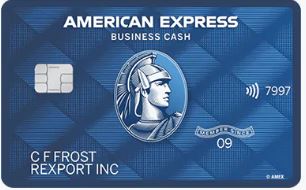
American Express Blue Business Cash™ Card
$250 statement credit
after you make $3,000 in purchases on your Card in your first 3 months.
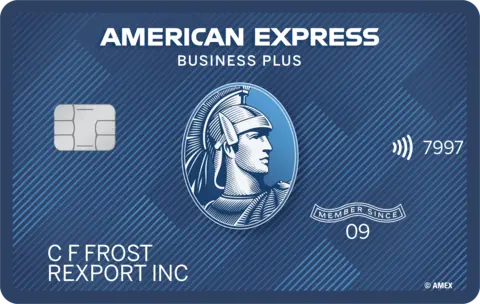
The Blue Business® Plus Credit Card from American Express
15,000
Membership Rewards®
after you spend $3,000 in eligible purchases on the Card within your first 3 months of Card Membership
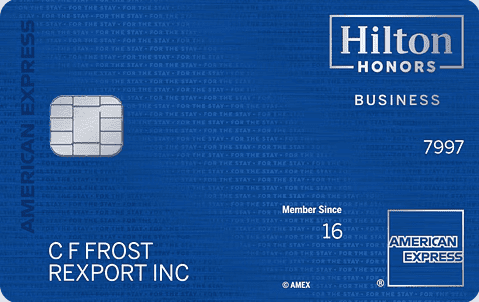
The Hilton Honors American Express Business Card
Earn 175,000
Hilton Honors Bonus Points
plus a Free Night Reward after you spend $8,000 in purchases on the Hilton Honors Business Card in the first six months of Card Membership. Offer ends 4/15/2026.
Annual Fee:
$195
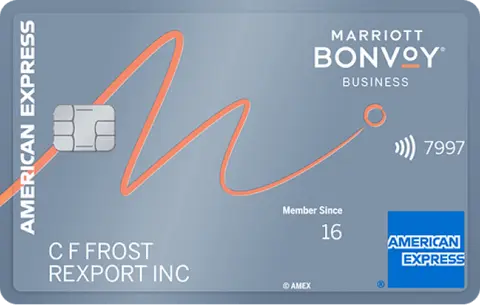
Marriott Bonvoy Business® American Express® Card
Earn 3 Free Night Awards
after you spend $6,000 in purchases and an extra 2 Free Night Awards after you spend an additional $3,000 in purchases on the Card within the first 6 months of Card Membership. Each Free Night Award has a redemption level up to 50,000 Marriott Bonvoy® points, for a total potential value of up to 250,000 points, at hotels participating in Marriott Bonvoy®
Annual Fee:
$125
Co-Branded Delta SkyMiles Business Cards
For co-branded Delta business cards, you can add additional cardholders to the Delta SkyMiles Gold or the Delta SkyMiles Platinum business card accounts at no extra cost.
If you want to add additional cardholders to your Delta SkyMiles Reserve Business Card account, you’ll pay $175 for each additional employee card (see rates and fees). However, employees enjoy a much wider range of privileges on the high-end Delta SkyMiles Reserve Business Card compared to the $0 SkyMiles Gold and Platinum employee cards.
All Delta Business employee cards receive the same 20% rebate, issued as a statement credit, on in-flight purchases made onboard Delta-operated flights.
Delta SkyMiles Business Reserve employee cardholders also receive the following exclusive perks:
- Complimentary access to Escape Lounge – The Centurion® Studio Partner locations when flying on a same-day Delta-marketed or Delta-operated flight
- Complimentary access to The Centurion® Lounge when flying on a same-day Delta-marketed or Delta-operated flight that was booked with a U.S.-issued American Express Card. Your employees can bring up to two guests at a per-visit rate of $50 (or $30 for children aged 2 through 17) per person who also must be traveling on a same-day Delta flight.
- Fifteen complimentary visits to Delta Sky Club® locations per year. This 15-visit allotment is per card rather than per account, meaning that each employee receives 15 complimentary visits—a powerful perk for additional cardholders.
- Ability to receive unlimited access to Delta Sky Clubs when $75,000 is charged to the card account within a calendar year
If these perks align with your business’s travel habits, they can easily offset the additional employee cardholder annual fee.
Keep in mind that regardless of the co-branded Delta Business credit card you hold, the free checked bag perk is exclusive for the primary cardholder. Similarly, any Delta card statement credit perks are shared across each account rather than being issued per card.
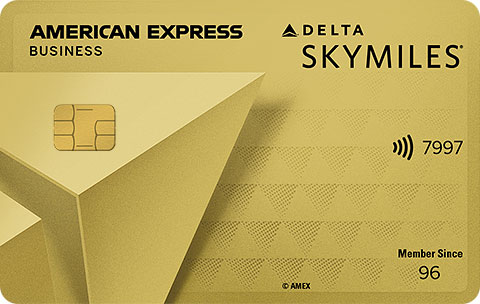
Delta SkyMiles® Gold Business American Express Card
Earn 90,000
Bonus Miles
after spending $6,000 in purchases on your new Card in your first 6 months of Card Membership. Offer ends 4/1/26.
Annual Fee:
$0 introductory annual fee for your first year, then $150.
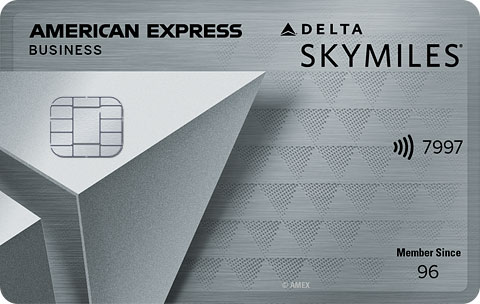
Delta SkyMiles® Platinum Business American Express Card
Earn 100,000
Bonus Miles
after spending $8,000 in purchases on your new Card in your first 6 months of Card Membership. Offer ends 4/1/26.
Annual Fee:
$350

Delta SkyMiles® Reserve Business American Express Card
Earn 125,000
Bonus Miles
after spending $15,000 in purchases on your new Card in your first 6 months of Card Membership. Offer ends 4/1/26.
Annual Fee:
$650
Business Platinum and Business Gold Card
For The Business Platinum Card from American Express and the American Express Business Gold Card, you have two options when it comes to issuing employees with their own cards: employee cards vs. employee expenses cards. Here are the fees for each option:
- The Business Platinum Card from American Express (see rates and fees):
- Employee card: $400 per card
- Employee expense card: $0 per card
- American Express Business Gold Card (see rates and fees):
- Employee card: $95 for the first five cards and then $95 per card thereafter
- Employee expense card: $0 per card
As you can see, employee expense cards are $0 annual fee additional cards that offer an alternative to paid employee cards.
Employee expense cards come with limited benefits and typically offer the same bonus spending category rates and protections offered by the primary card. Employee expense cards are therefore ideal if your main goal is to keep your business’s expenses aligned under a single account and to leverage your employees’ expenditure to earn you rewards.
In contrast, paid employee cards offer access to a wider range of benefits that help to offset their additional annual fees.
In the case of the Amex Business Gold Card, its main perks are statement credits and flexible bonus spending categories. However, Amex Business Platinum additional cardholders can receive the following benefits:
- Complimentary access to Escape Lounge – The Centurion® Studio Partner locations when flying on a same-day Delta-marketed or Delta-operated flight
- Ten complimentary visits to Delta Sky Club locations per year. This 10-visit allotment is per card rather than per account, meaning that each employee receives 10 complimentary visits. Ability to receive unlimited access to Delta Sky Clubs when $75,000 is charged to the card account within a calendar year.
- Complimentary access to The Centurion® Lounge when flying on a same-day Delta-marketed or Delta-operated flight that was booked with a U.S.-issued American Express Card
- Complimentary access to Priority Pass Select lounges
- Complimentary access to Plaza Premium Lounges
- Complimentary access to Lufthansa Lounges when flying with a Lufthansa Group airline
- Complimentary access to other lounges within The American Express Global Lounge Collection
- Access to exclusive benefits with Fine Hotels + Resorts® program and The Hotel Collection
- Access to Global Dining Access program by Resy
- Complimentary Hilton Honors Gold status
- Complimentary Leaders Club Sterling status
- Complimentary Marriott Bonvoy® Gold Elite status
These are heavyweight perks that can easily be offset by employees who travel frequently.
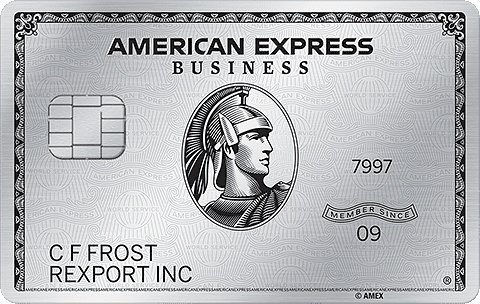
The Business Platinum Card® from American Express
Elevated Welcome Offer: Earn 200,000
Membership Rewards® Points
after you spend $20,000 in eligible purchases on the Business Platinum Card® within the first 3 months of Card Membership.
Annual Fee:
$895

American Express® Business Gold Card
Earn 100,000
Membership Rewards® Points
after spending $15,000 in the first 3 months. Terms apply.
Annual Fee:
$375

Bank of America
Bank of America’s small-business credit cards often fly under the radar. Yet, Bank of America offers a select number of cards with high rates of cash back for Preferred Rewards members as well as a lucrative co-branded airline business card.
Here’s an overview of the small business cards on offer:
- Atmos™ Rewards Visa Signature® Business Card
- Business Advantage Customized Cash Rewards credit card
- Business Advantage Travel Rewards credit card
- Business Advantage Unlimited Cash Rewards credit card
- Platinum Plus® Mastercard® Business card
It’s free to add employees to any of your Bank of America business card accounts. This enables you to accelerate your cashback earnings, particularly on lucrative cards such as the Business Advantage Customized Cash Rewards credit card.
Employees are entitled to the same bonus spending category rates and spending protections as primary cardmembers.
When it comes to the Atmos™ Rewards Visa Signature® Business Card, you’ll pay an annual fee of $25 per employee card issued in addition to the primary card annual fee of $70.
However, depending on your company’s travel habits, this could be worthwhile because employee cardholders enjoy many of the same benefits as primary cardmembers.
For example, both primary cardmembers and employee cardholders receive a free checked bag and preferred boarding benefits when their Atmos card is used to purchase Alaska Airlines or Hawaiian Airlines tickets. These benefits extend to up to six travelers on the same reservation.
This not only means that employees can plan and pay for their own travel, but they also can benefit from preferred boarding and a complimentary checked bag without needing the primary cardmember to accompany them.
Similarly, employees benefit from a 20% discount on in-flight purchases with Alaska and Hawaiian, issued as a statement credit.
If you have employees who travel frequently with Alaska or Hawaiian, these are neat ways to give them an added bit of luxury.
One notable exception is the $100 discount on an annual Alaska Lounge+ membership purchased with your card, which is exclusive to the primary cardmember.
While Bank of America’s small-business credit card portfolio may not compete with heavyweights like American Express and Chase, it still offers a number of lucrative ways to offset your business’ travel spend and operational costs.
Capital One
Capital One offers a number of business credit cards, including those that earn cash back and those that earn Venture Miles or Spark Miles. These include the following cards:
- Capital One Venture X Business Credit Card
- Capital One Spark Miles for Business
- Capital One Spark Cash Plus
- Capital One Spark Cash
- Capital One Spark Miles Select
- Capital One Spark Cash Select
- Capital One Spark Classic
As the primary cardholder, you can add employee cards to your Capital One account for no extra annual fees. This is a major benefit of Capital One’s business card line-up and applies to all of its cards, including the premium Venture X Business card.
All employee spending is subject to the same bonus category multipliers as the primary cardholder receives. That allows your employees to rack up thousands of extra miles or cash back at the same rates, all of which will be credited to your account.
All employee spending receives the same protection as primary cardholder spending, such as extended warranty protection.
Similarly, employees receive access to complimentary elite status with Hertz, including Hertz President’s Circle® status for Venture X Business authorized users and Hertz Five Star® status for all other employee cardholders. This is a major plus point for your employees, allowing them to enjoy additional benefits with Hertz when renting for business travel.
Where employee and primary cardholder access privileges vary is with regard to premium perks offered by the Venture X Business card.
Firstly, the $300 annual credit for Capital One’s travel booking site and the statement credit toward Global Entry or TSA PreCheck membership are issued per account, not per card. While these credits could still be used to cover spending on an employee card, it’s important to understand that employees don’t receive their own additional credits.
Secondly, lounge access privileges are curtailed for employee cardholders.
Currently, additional cardholders receive complimentary access to Capital One Lounges, Capital One Landings and participating Priority Pass Select lounges. However, effective from Feb. 1, 2026, additional cardholders will be required to pay an annual lounge access fee of $125 to maintain access privileges to Capital One Lounges, Capital One Landings and participating Priority Pass lounges.
Additional cardholders who pay the $125 annual lounge access fee can bring guests into participating Priority Pass lounges at a rate of $35 each per visit. If you manage to charge $75,000 to your Capital One card account, your additional cardholders will be able to bring up to two complimentary guests into Capital One Lounges and up to one guest into Capital One Landings.
This additional lounge access fee and spending requirement is a significant drawback, particularly if you plan on issuing multiple Venture X Business employee cards. However, given that there’s no annual fee to add employees to your Venture X Business account, this is a comparatively low price to pay for your employees to gain access to a wide lounge network.

Capital One Venture X Business
Earn 150,000
Bonus Miles
once you spend $30,000 in the first 3 months from account opening.
Annual Fee: $395

Capital One Spark Miles for Business
50,000
Bonus Miles
after you spend $4,500 in the first 3 months
Annual Fee: $0 for your first year, then $95.

$2,000
Cash Bonus
after you spend $30,000 in the first 3 months
Annual Fee: $150

$1000
cash bonus
when you spend $10,000 within 3 months of account opening
Annual Fee: $0 for your first year, then $95.
Chase
Chase offers some of the most lucrative business credit cards that can help your LLC rack up thousands of points or dollars-worth of cash back. These include the following business credit cards:
- Sapphire Reserve for Business℠
- Chase Ink Business Preferred® Credit Card
- Chase Ink Business Unlimited® Credit Card
- Chase Ink Business Cash® Credit Card
- Chase Ink Business Premier® Credit Card
- IHG One Rewards Premier Business Credit Card
- Southwest Rapid Rewards® Performance Business Credit Card
- Southwest Rapid Rewards® Premier Business Credit Card
- United℠ Business Card
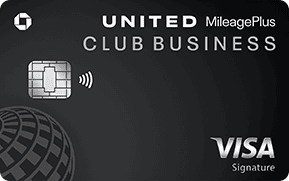
- United Club℠ Business Card
- World of Hyatt Business Credit Card
Chase allows business owners to add employee cards to their primary account at no additional cost, regardless of the credit card you hold. This makes it easy to leverage your employees’ spending to earn you Ultimate Rewards points or cash back faster as well as track company spending under one account.
Employees receive the same bonus spending category rates as well as the same spending and travel protections as the primary account holder does.
However, when it comes to premium cards such as the Sapphire Reserve for Business℠, employees have restricted access to many of their perks.
For instance, Sapphire Reserve for Business employee cardholders don’t receive complimentary access to Priority Pass Select lounges nor to Chase Sapphire Reserve Lounges by The Club. Instead, they can access these lounges only by accompanying the primary cardholder as a guest. Similarly, employees don’t have access to The Edit℠ program benefits and don’t receive complimentary IHG One Rewards Platinum Elite status.
When it comes to statement credit perks on Chase business cards, employees don’t receive separate credits—rather, these credits are shared among all account members. That means that perks such as the Sapphire Reserve for Business card’s $120 Lyft credit or $300 annual travel credit can be used by any account member, but only once per account, not per card.
That said, one exception to this rule is for Sapphire Reserve for Business employee cardholders who receive their own complimentary DashPass membership, for use with both DoorDash and Caviar, through Dec. 31, 2027.
Chase also offers a number of co-branded airline and hotel business credit cards, including with United Airlines, Southwest Airlines, InterContinental Hotels Group and Hyatt. Just like with the Sapphire Reserve for Business, access to premium perks on these cards is generally restricted for employees.
For example, United Club Business employee cardholders don’t receive a separate complimentary United Club membership. Likewise, perks such as free checked bags and complimentary United Premier upgrades are generally exclusive to the primary cardholder, unless the employee is travelling with them on the same reservation.
That said, there are a few notable exceptions to these rules:
- United Business and United Club Business employee cardholders receive 25% back (issued as a statement credit) on in-flight food, beverage and Wi-Fi purchases, and on premium drink purchases at United Clubs.
- Primary account members of the United Club Business Card who unlock United Club All Access membership and add a minimum of one authorized user will receive four one-time guest passes for United Clubs. These can be used for employees, provided that the primary cardmember is present.
- Primary account members of the World of Hyatt Business Credit Card receive five Discoverist Upgrade Awards that can be gifted to five employees, giving them Discoverist status for the remainder of the calendar year in which the benefit is given plus the next 14 months.
Overall, Chase’s lucrative range of business cards allows employee spending to accelerate your rewards earning potential and easily manage company spending under a single account.
In most cases, employees won’t be able to enjoy the full range of benefits offered by mid-tier and premium Chase cards, unless they are travelling with the primary cardmember. However, given that it’s free to add employee cards to your Chase account, this restricted access to premium-level perks is to be expected.

Sapphire Reserve for Business℠
Earn 150,000
bonus points
after you spend $20,000 on purchases in your first 3 months from account opening.
Annual Fee: $795
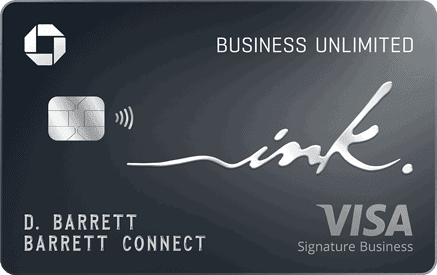
Chase Ink Business Unlimited® Credit Card
Earn $750
bonus cash back
after you spend $6,000 on purchases in the first 3 months from account opening
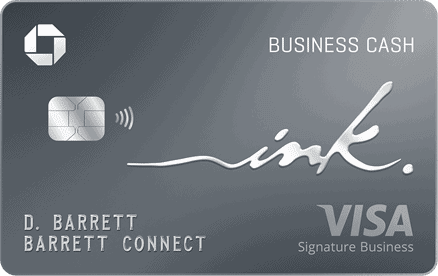
Chase Ink Business Cash® Credit Card
Earn $750
bonus cash back
when you spend $6,000 on purchases in the first three months after account opening
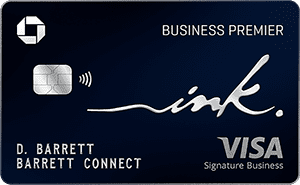
Ink Business Premier® Credit Card
$1,000
Bonus cash back
after you spend $10,000 on purchases in the first 3 months from account opening.
Annual Fee: $195

IHG One Rewards Premier Business Credit Card
Limited Time Offer! Earn up to 200,000
Bonus Points
Earn 140,000 Bonus Points after spending $4,000 on purchases in the first 3 months from account opening. Plus, earn 60,000 Bonus Points after spending a total of $9,000 in the first 6 months from account opening.
Annual Fee: $99
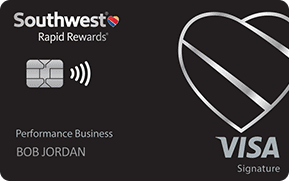
Southwest® Rapid Rewards® Performance Business Credit Card
Earn 80,000
points
after you spend $5,000 on purchases in the first 3 months from account opening.
Annual Fee: $299
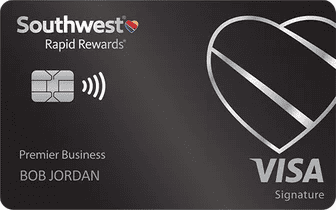
Southwest® Rapid Rewards® Premier Business Credit Card
60,000
bonus points
after you spend $3,000 on purchases in the first 3 months from account opening.
Annual Fee: $149

Offer Ending Soon! Earn 100,000
bonus miles
and 2,000 PQP after you spend $5,000 on purchases in the first 3 months your account is open.
Annual Fee: $150
World of Hyatt Business Credit Card
80,000
Bonus Points
after you spend $10,000 on purchases in your first 3 months from account opening.
Annual Fee: $199
Citibank
Compared to other card issuers, Citibank has a more limited business credit card portfolio, with only the following two cards on offer:
- Costco Anywhere Visa® Business Card by Citi
- Citi® / AAdvantage Business™ Card
You can add additional employee cardholders to the above Citi business card accounts at no extra cost.
Employee spending will earn you additional cash back or AAdvantage miles (depending on the card you hold) and will be subject to the same spending protections enjoyed by the primary cardmember.
Similarly, additional employee cardholders will receive a 25% rebate, issued as a statement credit, for eligible in-flight purchases onboard American Airlines-operated flights.
This is the extent of the benefits offered to employee cardholders—all other premium perks are exclusive to the primary cardholder.

Final Thoughts
Employee cards are strategic financial tools that drive efficiency and multiply your business’s rewards.
American Express offers the most premium perks for your team, but at a higher cost per card. In contrast, issuers such as Bank of America, Capital One and Chase offer limited access to card perks but with a more affordable price tag.
By selecting the right card issuer and setting clear spending controls, you can empower each member of your team to manage business expenses confidently while ensuring every dollar spent works harder for your company.

New to the world of points and miles? The Chase Sapphire Preferred® Card is the best card to start with.
With a bonus of 75,000 bonus points after you spend $5,000 on purchases in the first 3 months from account opening. , 5x points on travel booked through the Chase TravelSM Portal and 3x points on restaurants, streaming services, and online groceries (excluding Target, Walmart, and wholesale clubs), this card truly cannot be beat for getting started!
after spending $15,000 in the first 3 months. Terms apply.
Annual Fee:
$375
after you make $3,000 in purchases on your Card in your first 3 months.
after you spend $3,000 in eligible purchases on the card within your first 3 months of card membership
Annual Fee:
$95
after spending $6,000 in purchases on your new Card in your first 6 months of Card Membership. Offer ends 4/1/26.
Annual Fee:
$0 introductory annual fee for your first year, then $150.
after spending $8,000 in purchases on your new Card in your first 6 months of Card Membership. Offer ends 4/1/26.
Annual Fee:
$350
after spending $15,000 in purchases on your new Card in your first 6 months of Card Membership. Offer ends 4/1/26.
Annual Fee:
$650
after you spend $6,000 in purchases and an extra 2 Free Night Awards after you spend an additional $3,000 in purchases on the Card within the first 6 months of Card Membership. Each Free Night Award has a redemption level up to 50,000 Marriott Bonvoy® points, for a total potential value of up to 250,000 points, at hotels participating in Marriott Bonvoy®
Annual Fee:
$125
after you spend $3,000 in eligible purchases on the Card within your first 3 months of Card Membership
after you spend $20,000 in eligible purchases on the Business Platinum Card® within the first 3 months of Card Membership.
Annual Fee:
$895
plus a Free Night Reward after you spend $8,000 in purchases on the Hilton Honors Business Card in the first six months of Card Membership. Offer ends 4/15/2026.
Annual Fee:
$195
after you make $4,000 or more in purchases within the first 90 days of opening your account.
Annual Fee: $70
once you spend $30,000 in the first 3 months from account opening.
Annual Fee: $395
after you spend $4,500 in the first 3 months
Annual Fee: $0 for your first year, then $95.
after you spend $30,000 in the first 3 months
Annual Fee: $150
when you spend $10,000 within 3 months of account opening
Annual Fee: $0 for your first year, then $95.
after you spend $20,000 on purchases in your first 3 months from account opening.
Annual Fee: $795
after you spend $8,000 on purchases in the first 3 months from account opening.
Annual Fee: $95
after you spend $6,000 on purchases in the first 3 months from account opening
when you spend $6,000 on purchases in the first three months after account opening
after you spend $10,000 on purchases in the first 3 months from account opening.
Annual Fee: $195
Earn 140,000 Bonus Points after spending $4,000 on purchases in the first 3 months from account opening. Plus, earn 60,000 Bonus Points after spending a total of $9,000 in the first 6 months from account opening.
Annual Fee: $99
after you spend $5,000 on purchases in the first 3 months from account opening.
Annual Fee: $299
after you spend $3,000 on purchases in the first 3 months from account opening.
Annual Fee: $149
and 2,000 PQP after you spend $5,000 on purchases in the first 3 months your account is open.
Annual Fee: $150
after you spend $5,000 on purchases in the first 3 months your account is open
Annual Fee: $695
after you spend $10,000 on purchases in your first 3 months from account opening.
Annual Fee: $199
Editors Note: Opinions expressed here are author’s alone, not those of any bank, credit card issuer, hotel, airline, or other entity. This content has not been reviewed, approved or otherwise endorsed by any of the entities included within the post.
10xTravel is part of an affiliate sales network and receives compensation for sending traffic to partner sites, such as CreditCards.com. This site may earn compensation when a customer clicks on a link, when an application is approved, or when an account is opened. This compensation may impact how and where links appear on this site. This site does not include all financial companies or all available financial offers. Terms apply to American Express benefits and offers. Enrollment may be required for select American Express benefits and offers. Visit americanexpress.com to learn more. All values of Membership Rewards are assigned based on the assumption, experience and opinions of the 10xTravel team and represent an estimate and not an actual value of points. Estimated value is not a fixed value and may not be the typical value enjoyed by card members.
Editors Note: Opinions expressed here are author’s alone, not those of any bank, credit card issuer, hotel, airline, or other entity. This content has not been reviewed, approved or otherwise endorsed by any of the entities included within the post.
bonus cash back
after you spend $6,000 on purchases in the first 3 months from account opening
to use on Capital One Travel
in your first cardholder year, plus earn 75,000 bonus miles once you spend $4,000 on purchases within the first 3 months from account opening - that’s equal to $1,000 in travel
bonus points
after you spend $5,000 on purchases in the first 3 months from account opening.

Membership Rewards® Points
after you spend $6,000 in eligible purchases on your new Card in your first 6 months of Card Membership. Welcome offers vary and you may not be eligible for an offer. Apply to know if you’re approved and find out your exact welcome offer amount – all with no credit score impact. If you’re approved and choose to accept the Card, your score may be impacted.