10xTravel is part of an affiliate sales network and receives compensation for sending traffic to partner sites, such as CreditCards.com. This site may earn compensation when a customer clicks on a link, when an application is approved, or when an account is opened. This compensation may impact how and where links appear on this site. This site does not include all financial companies or all available financial offers. Terms apply to American Express benefits and offers. Enrollment may be required for select American Express benefits and offers. Visit americanexpress.com to learn more. All values of Membership Rewards are assigned based on the assumption, experience and opinions of the 10xTravel team and represent an estimate and not an actual value of points. Estimated value is not a fixed value and may not be the typical value enjoyed by card members.
Note: Some of the offers mentioned below may have changed or may no longer be available. The content on this page is accurate as of the posting date; however, some of our partner offers may have expired. You can view current offers here.
The Chase Sapphire Reserve® has long been one of the most recognizable premium travel credit cards on the market—but it’s also one of the most expensive to hold. With a $795 annual fee, a long list of statement credits and an increasingly competitive field of rival cards, the question isn’t whether it’s a good card but whether it’s worth it for you.

Earn 100,000
bonus points
after you spend $6,000 on purchases in the first 3 months from account opening.
Annual Fee: $795
On paper, the value looks obvious. Between travel credits, lounge access and bonus earning rates, Chase advertises thousands of dollars in potential perks. But as with most premium cards, the real answer comes down to how much of that value you’ll actually use and how much effort you’re willing to put in to unlock it.
Let’s see what the card has to offer, how it fits in a wider card strategy and answer the ultimate question: Is the Chase Sapphire Reserve worth it?
The Short Answer for Most Travelers
For most travelers, the Chase Sapphire Reserve is only worth its $795 annual fee if you’re actively using multiple parts of the card, not just one or two headline perks. At a minimum, you can easily use the $300 travel credit, bringing the effective cost down to $495. From there, you’ll need to extract at least another $495 in real value from lounge access, statement credits and point redemptions to break even.
For frequent travelers who dine out often, use delivery services and redeem points through transfer partners, that’s very achievable, and the card can deliver hundreds of dollars in surplus value each year. But for more casual users, the math is much tighter. If you’re not consistently using the credits or maximizing redemptions, this quickly becomes an expensive card to hold.
The verdict: It’s worth it for frequent, engaged travelers, but it’s overkill—and overpriced—for everyone else.
Earning Points on Everyday Spending
The Chase Sapphire Reserve is an asset when it comes to earning points on everyday spending. Let’s see what you could earn with it.
Bonus Categories and Base Earning Rates
The Sapphire Reserve offers the following bonus spending categories:
- 10X points per dollar spent on eligible Peloton equipment and accessory purchases of $150 or more in the United States, on up to $5,000 in total purchases (through Dec. 31, 2027)
- 8X points per dollar spent on all purchases made through Chase Travel℠, including purchases with The Edit℠ (after the first $300 is spent on travel purchases)
- 5X points per dollar spent on eligible purchases with Lyft (through Sep. 30, 2027)
- 4X points per dollar spent on flights booked directly with the airline and on hotels booked directly with the hotel (after the first $300 is spent on travel purchases)
- 3X points per dollar spent on dining purchases worldwide, including takeout and eligible delivery services
- 1X points per dollar spent on all other purchases
This is a diverse mix of spending bonuses that allow you to earn on both everyday and travel expenses.
The ability to earn 3X points on dining purchases worldwide is a solid benefit. Likewise, 4X points on direct spending with airlines and hotels is a lucrative rate of return that doesn’t force you to book through Chase Travel℠. However, if you do decide to book through Chase Travel℠, the 8X points multiplier is a highly competitive rate of return.

Pairing With Other Chase Cards
The Sapphire Reserve offers a weak earning rate on non-bonus category spending of just 1X points per dollar spent when compared to other cards, such as the Capital One Venture X Rewards Credit Card, which offers 2X points on non-bonus spending. However, you can bypass this issue by charging non-bonus spending to the Chase Freedom Unlimited®, which earns 1.5X points on non-bonus spending, and then transferring these points to your Sapphire Reserve account.
By transferring your points from the Freedom Unlimited to your Sapphire Reserve account, you’ll then be able to redeem them with Chase’s full list of transfer partners.
Alternatively, you could pair the Sapphire Reserve with the Chase Freedom Flex® to benefit from its quarterly rotating 5% cashback bonus categories. With the Freedom Flex, you can earn up to 7,500 points (or $75 in cash back) per quarter on a number of everyday spending categories you’d otherwise not have access to with the Sapphire Reserve. Just like with the Freedom Flex, you can transfer these earnings to your Sapphire Reserve account for more lucrative redemption opportunities.

Capital One Venture X Rewards Credit Card
Earn 75,000
Bonus Miles
when you spend $4,000 on purchases in the first 3 months from account opening, equal to $750 in travel
Annual Fee: $395

Earn a $200
Bonus
after you spend $500 on purchases in your first 3 months from account opening

Limited Time Offer! Earn a $250
Bonus
after you spend $500 on purchases in your first 3 months from account opening
Premium Perks Beyond the Points
The Chase Sapphire Reserve is rich in cardholder perks, with more than $3,000 worth of extras up for grabs, giving you ample opportunities to offset the card’s annual fee.
Let’s look at these perks in more detail.

Airport Lounge Access
One of the most sought-after perks on the Chase Sapphire Reserve is its generous airport lounge access privileges—it’s one of the best credit cards with lounge access.
As a Sapphire Reserve primary cardholder or authorized user, you get complimentary access to the following networks:
- Priority Pass™ Select
- Chase Sapphire Reserve Lounge by The Club
A retail Priority Pass membership costs $469 per year, effectively cutting the Sapphire Reserve’s annual fee in half. As a Priority Pass member, you get access to more than 1,300 airport lounges globally for yourself and up to two guests (subject to individual lounge rules).
However, unlike some credit cards with priority pass offers that allow access to only one network, the Sapphire Reserve also offers access to the Chase Sapphire Reserve Lounge by The Club. This network opens up a number of exclusive luxury lounges in the U.S. Chase’s lounges are renowned for their upscale experience and typically suffer from less overcrowding than American Express Centurion Lounges.
Additionally, primary cardmembers and authorized users get complimentary access for themselves and up to one guest each to Air Canada’s network of Maple Leaf Lounges and Air Canada Cafés across participating locations in Canada, the U.S. and Europe. To be eligible to enter, you’ll need to be flying on a Star Alliance member airline flight. However, be aware that Air Canada Signature Suites and lounges located in Montréal-Pierre Elliott Trudeau International Airport (YUL) are excluded.
These lounge access privileges go a long way in justifying the Sapphire Reserve’s annual fee, in particular for frequent travelers who can maximize this perk.
Travel Perks That Deliver Real Value
The Sapphire Reserve doesn’t end with lounge access. As a cardholder, you’ll also benefit from the following travel perks and credits:
- $300 annual travel statement credit
- $500 annual statement credit for stays with The Edit℠, issued in $250 increments (minimum stay of two nights required), plus you’ll receive a $100 property credit, daily breakfast for two, room upgrades and more (subject to availability)
- Statement credit every four years toward Global Entry, TSA PreCheck® or Nexus membership application fees
- Complimentary IHG® One Rewards Platinum Elite Status (through Dec. 31, 2027)
The $300 travel credit is one of the most lucrative and easiest perks to use, which, combined with frequent lounge usage, could easily offset the cost of holding the card. Likewise, complimentary IHG® One Rewards Platinum Elite Status unlocks a number of benefits with IHG, including complimentary upgrades, early check-in (subject to availability), and guaranteed room availability when you book 72 hours or more in advance (blackout dates apply).
And if you manage to charge $75,000 to your card within a calendar year, you’ll unlock the following exclusive travel perks:
- Complimentary IHG One Rewards Diamond Elite status for the remainder of the calendar year, plus the following year
- $250 credit for The Shops at Chase
- $500 Southwest Airlines Chase Travel℠ credit
- Complimentary Southwest Airlines Rapid Rewards A-list status for the remainder of the calendar year, plus the following year
- Explorist Status with World of Hyatt for the remainder of the calendar year, plus the following year, and through February of the calendar year after that
If you can hit this level of expenditure naturally, these perks provide an incentive to funnel your spend onto the Sapphire Reserve instead of other premium cards.

Card Benefits Most Holders Overlook
It’s easy to be blinded by the Sapphire Reserve’s lucrative travel perks and forget the other benefits it has on offer.
Sapphire Reserve cardholders benefit from more than $1,500 in statement credit perks, in addition to travel-related credits, including the following:
- $300 annual statement credit for dining purchases made with eligible restaurants belonging to the Sapphire Reserve Exclusive Tables program (issued in semi-annual $150 credits)
- $300 annual statement credit for StubHub and viagogo purchases, issued in semi-annual $150 credits (activation required)
- $120 in annual Lyft credits, issued in $10 monthly increments (through Sept. 30, 2027)
- $120 in annual Peloton credits, issued in $10 monthly increments toward eligible memberships (through Dec. 31, 2027); eligible memberships include Peloton All-Access Membership, Rental, App+, Guide, App One or Strength+, which must be purchased by you or an authorized user using your Chase Sapphire Reserve card
- Complimentary DashPass membership worth $120, offering reduced service fees and $0 delivery fees on eligible orders when activated by Dec. 31, 2027; enrolled members will also receive up to $300 in DoorDash credits per year, issued in $25 monthly increments that include a $5 monthly promo to spend on restaurant orders and two $10 promos each month to save on non-restaurant orders
- $288 annual statement credit toward Apple TV and Apple Music subscriptions (through June 22, 2027)
While you may not be able to maximize the value of every credit, using even a handful can go a long way in further offsetting the annual fee. For instance, if you like good food, have an Apple TV or Apple Music subscription and use Lyft at least once a month, you could easily cut $708 off the card’s annual fee by maximizing these credits.
Additionally, the Sapphire Reserve comes with the most comprehensive travel insurance perks of any credit card on the market. These include the following protections:
- Auto rental coverage: Primary coverage of up to $75,000 for theft and collision damage for most rental vehicles in the U.S. and abroad when you decline the rental company’s collision damage waiver and charge the entire cost to your Sapphire Reserve card. For New York state residents, this auto rental coverage is secondary to your primary automobile insurance plan when in the U.S.
- Baggage delay insurance: Provides reimbursement of up to $100 per day for up to five days for essential purchases, such as toiletries and clothing, when your baggage is delayed for more than six hours.
- Emergency evacuation and transportation insurance: Provides coverage for medical services and transportation of up to $100,000 in the event you or a covered traveler is injured or becomes sick during a trip that is 100 miles or further away from your home and results in an emergency evacuation.
- Emergency medical and dental benefit: Receive a reimbursement of up to $2,500 for medical expenses (subject to a $50 deductible) in the event you or an immediate family member becomes sick or injured while you’re 100 miles or further away from home during your trip.
- Lost luggage reimbursement: Allows for the reimbursement of up to $3,000 per covered traveler for the costs associated with the repair or replacement of checked or carry-on baggage that is lost, damaged or stolen during a covered trip. New York state residents are limited to reimbursement of $2,000 per bag and $10,000 for all covered travelers per trip.
- Travel accident insurance: When you charge your common carrier fare to your Sapphire Reserve card, you’re eligible to receive up to $1 million in the event of accidental death or dismemberment.
- Trip cancellation and interruption insurance: Provides reimbursement of up to $10,000 per covered traveler and $20,000 per trip for your prepaid, nonrefundable travel expenses, such as passenger fares, tours and hotels, should your trip be canceled or cut short due to sickness, inclement weather or another covered situation.
- Trip delay reimbursement: Coverage includes unreimbursed expenses, such as meals and lodging, up to $500 per covered traveler in the event your common carrier travel is delayed for more than six hours or requires an overnight stay.
Not only do these protection benefits have you covered when things go awry, but they also save you money by preventing you from having to take out a separate insurance policy in some cases. By dipping into these lesser-used Sapphire Reserve card perks, you can reap even more value from the card and offset the annual fee further.

Getting the Most From Point Redemptions
There’s no point earning hundreds of thousands of points if you never touch them. Redeeming your points for (almost) free travel is the reason you hold a travel rewards card in the first place.
When it comes time to redeem your points, Chase offers a number of ways to do so. You can redeem your points as a statement credit, cash back, gift card or even for Amazon purchases. However, none of these methods offer outsized value, so you’ll want to focus on either redeeming your points through Chase Travel℠ or, even better, redeeming them with Chase’s transfer partners.
When redeeming your points through Chase Travel℠, the Points Boost feature offers Sapphire Reserve cardholders the ability to redeem their points for up to 2 cents apiece toward premium airfare redemptions with eligible airlines and on hotel stays with The Edit℠. However, the availability of Points Boost redemptions is often scarce, and there are a limited number of partners to choose from. For all other Chase Travel℠ bookings, your points are worth 1 cent apiece.
Points Boost redemptions can be lucrative, especially if you tend to book business- and first-class tickets or if you can’t find any award availability. You also benefit from the fact that Chase Travel℠ bookings are treated as cash bookings, meaning you’ll also earn miles on your flight with the respective frequent-flyer program.
However, in most cases, you’re better off transferring your points to one of Chase’s 13 hotel and airline partners. These redemptions can offer anywhere between 10 and 15 cents per point in value in the best cases.
Points Boost redemptions can be lucrative, especially if you tend to book business- and first-class tickets or if you can’t find any award availability. You also benefit from the fact that Chase Travel℠ bookings are treated as cash bookings, meaning you’ll also earn miles on your flight with the respective frequent-flyer program.
However, in most cases, you’re better off transferring your points to one of Chase’s 13 hotel and airline partners. These redemptions can offer anywhere between 10 and 15 cents per point in value in the best cases.
Transfer Partners and Best Uses
The best use of your Ultimate Rewards points is to transfer them to one of Chase’s 13 airline or hotel partners.
These include the following airline and hotel loyalty programs, all of which offer 1:1 transfer ratios:
| Aer Lingus AerClub | Marriott Bonvoy |
| Air Canada Aeroplan | Singapore Airlines KrisFlyer |
| Air France-KLM Flying Blue | Southwest Airlines Rapid Rewards |
| The British Airways Club | United Airlines MileagePlus |
| Club Iberia Plus | Virgin Atlantic Flying Club |
| IHG One Rewards | World of Hyatt |
| JetBlue TrueBlue |
Chase offers a strong mix of both domestic and international travel loyalty partner programs, and, unlike American Express, doesn’t charge any fees for point transfers to domestic airlines.
There are a wide range of ways to redeem your points with Chase’s partners, but some of the most lucrative redemptions include the following:
- Fly with JetBlue Airways and Southwest Airlines at incredibly low rates across the U.S.
- Fly with All Nippon Airways (ANA) in first class from the West Coast to Tokyo for 150,000 points round-trip during low season.
- Fly off-peak business class with Aer Lingus to Ireland for 50,000 to 62,500 Avios each way.
- Fly Virgin Atlantic Upper Class for 56,000 points one-way—or economy class for 12,000 points one-way—between the East Coast and London-Heathrow (LHR).
These are just a handful of the ways you can put your Ultimate Rewards points to good use and get up to 15 cents per point back in value (actual cents-per-point values vary by redemption). You can get even more value by taking advantage of transfer bonuses.
Breaking Down the Annual Fee
The Chase Sapphire Reserve carries a $795 annual fee, making it one of the most expensive personal travel credit cards on the market. This makes it crucial to assess whether or not you’ll be able to reap enough value from the card to justify holding it. Let’s take a look at the real cost of holding the card, based on some estimated spending situations.
The Real Cost After Credits and Perks
The first adjustment is easy: Subtract the $300 annual travel credit, which is automatically applied to a broad range of travel purchases. Because this credit is so flexible, most cardholders can realistically use it. This gives you an effective annual fee of $495. From there, the entire value proposition hinges on whether you can extract at least another $495 in usable benefits each year.
Let’s say you used half of the credits for Lyft, DoorDash and Apple subscriptions. That would cut a further $354 off the effective annual fee. This still means you’d need to maximize a few of the card’s other perks, such as airport lounge access.
For some cardholders, maximizing additional credits will be easy. But you need to ensure that your current lifestyle and spending habits fit the card so that it organically reduces your outgoings, instead of encouraging you to spend more in the name of maximizing value. Audit your spending habits and calculate how much you could realistically offset the annual fee by.
Reserve vs. Preferred: Picking the Right Sapphire Card
When considering applying for the Sapphire Reserve, it’s only natural to compare it to its sibling card, the Chase Sapphire Preferred®. Let’s compare the Sapphire Reserve to the Preferred to see which is the better choice for you.
Side-by-Side Fee and Rewards Comparison
The Chase Sapphire Preferred comes with a $95 annual fee, making it $700 cheaper than the Sapphire Reserve. This puts the Sapphire Preferred in an altogether different category. It’s designed for travelers who want lucrative earning rates and access to transfer partners without paying triple digits in annual fees.
Both the Sapphire Preferred and Sapphire Reserve offer identical access to Chase’s hotel and airline transfer partners. They also offer very similar travel protection perks, although the Sapphire Reserve includes additional protection policies.

Chase Sapphire Preferred® Card
Earn 75,000
bonus points
after you spend $5,000 on purchases in the first 3 months from account opening.
Annual Fee: $95
Earn 100,000
bonus points
after you spend $6,000 on purchases in the first 3 months from account opening.
Annual Fee: $795
The Sapphire Preferred offers a limited number of statement credit perks, such as DoorDash credits, but it makes up for this with strong everyday bonus spending categories that include the following:
- 5X points on Chase Travel℠ purchases (excludes hotel purchases that qualify for the $50 annual hotel credit)
- 3X points on dining, including takeout, dining out and eligible delivery services
- 3X points on online grocery purchases (excluding Target, Walmart and wholesale clubs)
- 3X points on select streaming service purchases
- 2X points on all other travel purchases
- 1X points on all other purchases
Among these earning rates, the 3X points on online grocery purchases and dining, as well as 2X points on all other travel purchases, are the most lucrative. You’ll also benefit from an annual point boost equivalent to 10% of your total card expenditure.
For these reasons, the Chase Sapphire Preferred is a powerhouse for accumulating Ultimate Rewards points on everyday spending that you can redeem with hotel and airline partners, all while keeping annual fees low.
Is It Worth Upgrading From the Preferred?
If you already hold the Sapphire Preferred, you may be wondering if it’s worth exchanging it for the Sapphire Reserve.
If you’re looking for a card that grants complimentary airport lounge access across a number of networks and offers strong bonus spending categories on travel, the Sapphire Reserve could make sense. However, you’ll need to ensure that you can use enough of the Sapphire Reserve’s statement credit perks to offset its $795 annual fee—a $700 step up from the Sapphire Preferred’s $95 annual fee.
If you plan on switching from the Sapphire Preferred to the Sapphire Reserve, you’re best off canceling your Sapphire Preferred and applying for the Sapphire Reserve as opposed to product changing. While a product change prevents a hard inquiry on your credit report, it typically prevents you from being eligible for the Sapphire Reserve’s welcome offer. And because the Sapphire Reserve only allows you to earn this offer once in a lifetime, you’ll want to ensure you have the best chance of earning it.
That said, there’s nothing stopping you from holding your Sapphire Preferred and applying separately for a Sapphire Reserve card. Thanks to recent changes in Chase’s welcome offer eligibility criteria, card members can hold both Sapphire cards simultaneously and earn both welcome offers, provided they comply with the lifetime rule and 5/24 rule.
Ultimately, whether it makes sense to hold both Sapphire cards, upgrade to the Sapphire Reserve or stick with the Sapphire Preferred depends on your travel goals and frequency as well as your spending habits.

Who Should Skip This Card
The Chase Sapphire Reserve is not a “default yes” card—it’s a high-cost card that only works if you actively use it. If you’re a casual traveler, prefer simplicity or don’t want to track multiple credits, this card will feel like work rather than value.
It’s especially easy to overestimate how much you’ll actually use perks such as The Edit℠ hotel credit, DoorDash promos or monthly Lyft credits, particularly when they require monthly usage to maximize. On paper, the benefits of the Chase Sapphire Reserve look significant. In reality, many cardholders only extract a fraction of that value.
If you’re not consistently traveling, dining out or optimizing redemptions, the math breaks down quickly, and you’re left holding a very expensive piece of metal.
Spending Profiles That Don’t Break Even
There are a few clear profiles where the Sapphire Reserve struggles to justify its $795 annual fee.
Infrequent travelers
If you’re only taking one or two trips per year, you likely won’t fully utilize lounge access, travel protections or transfer partner redemptions. The $300 travel credit helps, but it’s not enough on its own.
Cash-back or simplicity-focused users
If you prefer straightforward rewards without thinking about redemption strategies or perk-usage tracking, the Sapphire Reserve will be more of a burden than an asset. In this case, a simple cashback card or low-tier travel rewards card will be the better choice.
Low dining and travel spenders
The card leans heavily on 3X dining and 4X travel earnings. If your spending doesn’t concentrate in these categories, your point accumulation will lag compared to other card options. If you’re not extracting at least $800 or more in real, usable value annually, this card is probably a net loss.
Alternatives Worth Considering
If the Sapphire Reserve feels excessive, there are two standout premium alternatives that deliver similar (or better) value, depending on your priorities.
The first is the Capital One Venture X Rewards Credit Card. The Venture X is the closest “set-it-and-forget-it” competitor to the Sapphire Reserve.
Capital One Venture X Rewards Credit Card
Earn 75,000
Bonus Miles
when you spend $4,000 on purchases in the first 3 months from account opening, equal to $750 in travel
Annual Fee: $395
It comes with a significantly lower annual fee of $395 (see rates and fees) and a much simpler value proposition:
- 2X miles on every purchase with no category tracking required
- A $300 annual travel credit for purchases made through Capital One’s travel booking platform
- 10,000 bonus anniversary miles each year
These perks alone effectively offset the annual fee for most users.
You’ll also get lounge access (Priority Pass and Capital One lounges), solid travel protections and access to a long list of lucrative airline and hotel transfer partners. If you want premium travel perks without managing a complex ecosystem of credits, the Venture X is often the better pick.
At the opposite end of the spectrum is The Platinum Card® from American Express (see rates and fees), offering even more premium perks than the Sapphire Reserve.
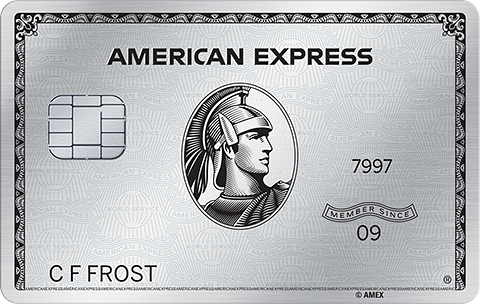
American Express Platinum Card®
You may be eligible for as high as 175,000
Membership Rewards® Points
after spending $12,000 in eligible purchases on your new Card in your first 6 months of Membership. Welcome offers vary and you may not be eligible for an offer.
Annual Fee:
$895
Among its perks, you’ll enjoy:
- Access to the American Express Global Lounge Collection®
- More than $3,500 worth of perks
- Elite status with Hilton Honors, Marriott Bonvoy and Leaders Club
- More than 20 hotel and airline transfer partners
However, its earning structure is weaker for everyday spending, and its credits are even more fragmented and niche than the Sapphire Reserve’s.
This card makes sense if you fly frequently, value luxury perks and elite travel experiences and are willing to actively manage multiple credits. Otherwise, it can be even harder to justify than the Sapphire Reserve—especially for an annual fee of $895.
The Verdict: Whether to Apply or Walk Away
The Sapphire Reserve is still one of the most powerful travel cards available, but it’s no longer the obvious choice it once was.
At $795 per year, the margin for error is thin. You need to:
- Fully use the $300 travel credit
- Extract additional value from at least a few of its other credits
- Redeem points strategically (ideally via transfer partners)
Do that, and the card can deliver well over $1,000 in annual value, if not far more.
Fail to do that, and it quickly becomes an overpriced, underutilized premium card.
For frequent travelers who value flexibility, strong travel protections and high-end perks, it absolutely holds up. For everyone else, there are simpler—and often more cost-effective—ways to earn and redeem rewards.
Next Steps Based on Your Spending
If you’re on the fence, there are a few considerations that can help you decide.
Apply for the Sapphire Reserve if:
- You travel multiple times per year
- You’ll fully use the $300 travel credit
- You value lounge access and travel protections
- You’re comfortable using transfer partners for high-value redemptions
Consider a card such as the Venture X if:
- You want premium perks with minimal effort
- You prefer flat-rate earnings (2X everywhere)
- You don’t want to track multiple monthly credits
Stick with (or downgrade to) the Sapphire Preferred if:
- You want access to Chase transfer partners at a low cost
- Your spending is more everyday-focused than travel-heavy
- You don’t need lounge access
If you’re still unsure, run a quick personal audit: Estimate how much of each credit you’ll actually use—not theoretically—and compare that against the $795 fee.

New to the world of points and miles? The Capital One Venture Rewards Credit Card is the best card to start with.
Current offer: Limited Time Offer: Enjoy a $300 stays credit, plus earn 75K bonus miles once you spend $4,000 on purchases within 3 months from account opening.
Earn 5X miles on hotels, vacation rentals and rental cars booked through Capital One Travel; 2X miles on all purchases.
Editors Note: Opinions expressed here are author’s alone, not those of any bank, credit card issuer, hotel, airline, or other entity. This content has not been reviewed, approved or otherwise endorsed by any of the entities included within the post.
10xTravel is part of an affiliate sales network and receives compensation for sending traffic to partner sites, such as CreditCards.com. This site may earn compensation when a customer clicks on a link, when an application is approved, or when an account is opened. This compensation may impact how and where links appear on this site. This site does not include all financial companies or all available financial offers. Terms apply to American Express benefits and offers. Enrollment may be required for select American Express benefits and offers. Visit americanexpress.com to learn more. All values of Membership Rewards are assigned based on the assumption, experience and opinions of the 10xTravel team and represent an estimate and not an actual value of points. Estimated value is not a fixed value and may not be the typical value enjoyed by card members.
Editors Note: Opinions expressed here are author’s alone, not those of any bank, credit card issuer, hotel, airline, or other entity. This content has not been reviewed, approved or otherwise endorsed by any of the entities included within the post.

bonus cash back
after you spend $6,000 on purchases in the first 3 months from account opening.
earn 75K bonus miles
once you spend $4,000 on purchases within 3 months from account opening.
bonus points
after you spend $5,000 on purchases in the first 3 months from account opening.
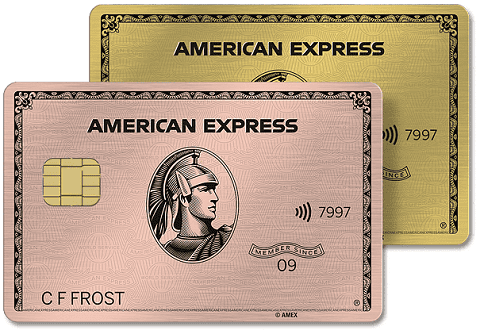
Membership Rewards® Points
after you spend $8,000 in eligible purchases on your new Card in your first 6 months of Card Membership. Welcome offers vary and you may not be eligible for an offer. Apply to know if you’re approved and find out your exact welcome offer amount – all with no credit score impact. If you’re approved and choose to accept the Card, your score may be impacted.