10xTravel is part of an affiliate sales network and receives compensation for sending traffic to partner sites, such as CreditCards.com. This site may earn compensation when a customer clicks on a link, when an application is approved, or when an account is opened. This compensation may impact how and where links appear on this site. This site does not include all financial companies or all available financial offers. Terms apply to American Express benefits and offers. Enrollment may be required for select American Express benefits and offers. Visit americanexpress.com to learn more. All values of Membership Rewards are assigned based on the assumption, experience and opinions of the 10xTravel team and represent an estimate and not an actual value of points. Estimated value is not a fixed value and may not be the typical value enjoyed by card members.
Note: Some of the offers mentioned below may have changed or may no longer be available. The content on this page is accurate as of the posting date; however, some of our partner offers may have expired. You can view current offers here.
All information about the American Express® Green Card (card is not currently open to new applicants as of August 2026, subject to change) and Hilton Honors American Express Aspire Card has been collected independently by 10xTravel.
If you have a credit card that doesn’t fit your spending habits or travel goals anymore, you have two options: cancel the card or request a product change.
A product change allows you to upgrade or downgrade to a different card issued by the same card issuer. By opening a new credit card through a product change instead of by submitting an application, you’ll protect your credit score, avoid adding to your Chase 5/24 count and possibly even earn some bonus points in the process.
However, product changes come with some significant caveats—particularly when product-changing an American Express card.
So, instead of Googling “can you product change Amex cards” or “how to upgrade my Amex card,” and ride along as we cover the answers to these questions, including Amex product change rules.
Why Consider an Amex Product Change?
An Amex product change could be exactly what you need. Product changing your Amex card comes with a number of benefits, including the protection of your credit score and 5/24 count, as well as the opportunity to score bonus points.
Let’s take a look at each of these benefits.
Protect Your Credit Score
Your credit score is a measure of your trustworthiness as a borrower. It’s made up of different metrics, one of which is the average age of your accounts—also known as the length of your credit history.
Closing a credit card can eventually reduce the average age of your accounts once the closed account falls off your credit report. This metric makes up 15% of your credit score, so account closures can result in a minor hit to your score.
By opting for a product change instead, your account remains open, meaning that the average age of your accounts will also stay the same, thereby protecting your credit score.
Similarly, “new credit” is another metric used to calculate your credit score.
When you’re approved for a new line of credit, such as a new credit card, this often shows up as a hard pull on your credit score. This indicates to credit referencing agencies, such as Experian, Equifax and TransUnion, that you may be under financial pressure (even if you’re not), which in turn could affect your ability to repay your debts on time, causing your credit score to dip temporarily.
In reality, your score will often recover after several months of punctual balance payments. However, if you are trying to get approved for other debt products, such as a mortgage or loan, applying for a new credit card simultaneously isn’t the smartest strategy.
Instead, opening a new credit card through a product change avoids hard pulls on your credit score, preventing it from being affected negatively.
Protect Your 5/24 Count
Alongside Amex, Chase offers some of the most lucrative credit cards on the market. But, due its 5/24 rule, which restricts you from opening any new Chase cards if you’ve opened five or more cards with any issuer in the previous 24 months, applying for a new Chase card isn’t always viable.
By product-changing to a different Amex card, you’ll avoid having a new card added to your 5/24 count, as it’s associated with the same account you currently have open. This way, you’ll be better positioned to apply for new cards with Chase.
Receive an Upgrade Offer
American Express regularly sends its cardholders targeted upgrade offers via email or through the Amex Offers section of your online account.
These are similar to welcome offers, albeit typically less lucrative, and offer the opportunity to earn points when you upgrade to a specific Amex card and reach the required minimum spending threshold.
Contrary to Amex credit card application rules for standard applications, you may be eligible to receive an upgrade offer to a card that you’ve previously held.
Downsides to Amex Product Changes
While an American Express product change can be a beneficial way to switch cards, there are some downsides to consider.
Product-changing your Amex card means that you’ll often miss out on the welcome offer. On top of this, Amex has a strict set of rules when it comes to product changes, so you may not be eligible for the card you want.
Let’s look at the cons of American Express product changes in detail.
Missing Out on Welcome Offers
The main downside to American Express product changes is the risk of losing out on welcome offers.
Amex welcome offers are the most valuable aspect of Amex travel rewards credit cards.
However, since 2014, Amex has restricted cardholders’ ability to earn welcome offers on the same card multiple times. This has resulted in Amex’s one welcome offer per lifetime rule, meaning you can typically earn only one welcome offer per Amex card in a lifetime.
In reality, data points suggest that Amex typically treats a lifetime as seven years. That means you could theoretically reapply for the same card after seven years and be eligible to earn its welcome offer—although there are no guarantees.
However, given Amex’s one welcome offer per lifetime rule, it’s essential to be strategic when it comes to Amex applications. When you upgrade or downgrade your Amex card through a product change, you may not be eligible to receive a welcome offer on the card you change to—regardless of whether you receive an upgrade offer or not. And if you haven’t product-changed using an upgrade offer, then you’re missing out doubly.
For this reason, you need to work out whether you’ll receive more benefits by upgrading (or downgrading) your existing card to another Amex card and losing out on a new welcome offer, or if you’d be better off applying for a new Amex card and trying to receive the welcome offer (by reaching the minimum spend required).
Here’s an overview of the pros and cons of product changing vs. applying for a new card:
| Decision | Pros | Cons |
|---|---|---|
| Product change | • Credit score is unaffected • Potentially eligible for an upgrade offer • 5/24 count stays the same | • Miss out on new card’s welcome offer |
| Apply for new card | • Can earn new card’s welcome offer • More freedom to choose which card you want | • Small temporary hit to your credit score |
Restrictive Product Change Rules
Choosing an Amex card change isn’t as simple as window-shopping for a new card and picking whichever one you like.
Amex has quite a few rules and restrictions when it comes to product changes, so you should familiarize yourself with them before changing your card.
In some cases, you’ll have more success by putting in a new application for the card you want rather than trying to product change to a card that doesn’t suit your needs.
Amex Product Change Rules
Despite the benefits of Amex product changes, it’s important to understand that you can’t change to any Amex card you like. Amex has a number of rules regarding which cards you can change to based on the card you currently hold.
There are three key rules to keep in mind when performing an Amex product change:
- You can product change to Amex cards within the same card family only.
- You can product change to Amex cards that are the same type of card only (credit cards or cards with no preset spending limit).
- You can’t product change from personal to business cards or vice versa.
Let’s break down these rules in depth.
Keep it in the Family: Amex Card Family Restrictions
Amex groups its cards into card “families.” These card families differ based on the types of rewards they earn.
Amex card families include the following:
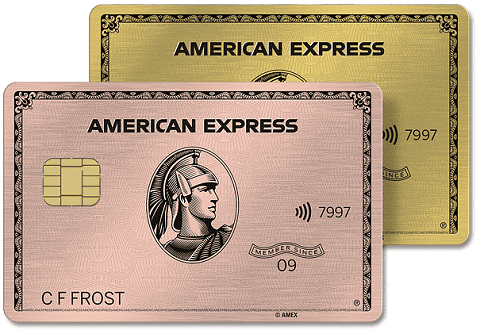
- Membership Rewards® cards. These include cards such as the American Express® Green Card, American Express® Gold Card (see rates and fees) and American Express Platinum Card® (see rates and fees).
- Cashback cards. Amex cashback cards include the Blue Cash Preferred® Card from American Express and Blue Cash Everyday® Card from American Express.
- Co-branded cards. Co-branded Amex cards include cards issued in partnership with Marriott Bonvoy, Hilton Honors and Delta Air Lines:
- Delta SkyMiles cards. These include the Delta SkyMiles® Blue American Express Card, Delta SkyMiles® Gold American Express Card (see rates and fees), Delta SkyMiles® Platinum American Express Card (see rates and fees) and Delta SkyMiles® Reserve American Express Card (see rates and fees).
- Marriott Bonvoy cards. These include the Marriott Bonvoy Bevy® American Express® Card and the Marriott Bonvoy Brilliant® American Express® Card.
- Hilton Honors cards. These include the Hilton Honors American Express Card, Hilton Honors American Express Surpass® Card and Hilton Honors American Express Aspire Card.
When performing an Amex product change, you can upgrade or downgrade to other cards within the same family as your current credit card only. For instance, you couldn’t swap from an Amex Platinum card to a Blue Cash card, nor from a co-branded Marriott card to a co-branded Delta SkyMiles card.
You may be eligible for as high as 100,000
Membership Rewards® Points
after you spend $8,000 in eligible purchases on your new Card in your first 6 months of Card Membership. Welcome offers vary and you may not be eligible for an offer. Apply to know if you’re approved and find out your exact welcome offer amount – all with no credit score impact. If you’re approved and choose to accept the Card, your score may be impacted.
Annual Fee:
$325
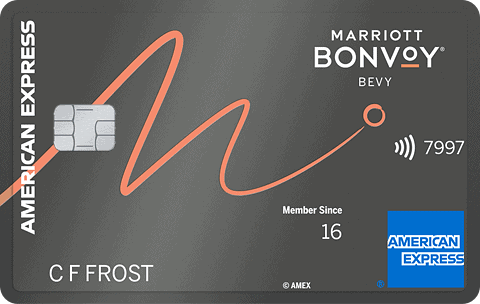
Marriott Bonvoy Bevy® American Express® Card
Earn 85,000
Marriott Bonvoy® bonus points
after you use your new Card to make $5,000 in purchases within the first 6 months of Card Membership.
Annual Fee:
$250
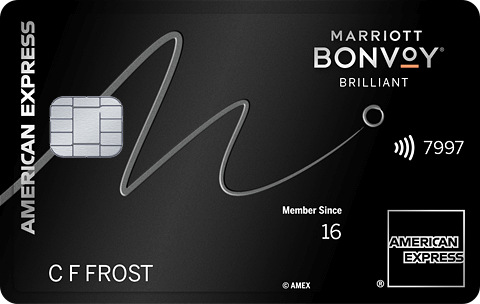
Marriott Bonvoy Brilliant® American Express® Card
Earn 100,000
Marriott Bonvoy® bonus points
after you use your new Card to make $6,000 in purchases within the first 6 months of Card Membership.
Annual Fee:
$650
Credit Cards vs. Cards with No Preset Spending Limit
American Express offers two types of cards: cards that don’t have preset spending limits and must be paid off every month, and traditional credit cards that have a credit limit and can carry a balance from one month to the next.
You can’t change from an Amex card with no preset spending limit to a credit card or vice versa—it has to be another card in the same category.
Amex cards without a preset spending limit include the American Express Gold Card, American Express Platinum Card®, the American Express Green Card and The Business Platinum Card® from American Express, to name a few. Unlike cards with a set credit limit, the amount you’re able to spend on these cards adapts based on such factors as your purchase, payment and credit history.
Almost all other cards from American Express are credit cards, including its co-branded cards, the Blue Business® Plus Credit Card from American Express and all of Amex’s cashback cards.
The two types of cards also have different limits on how many cards you can have open at once. You’re allowed to hold up to five credit cards (this cap has changed a few times and may vary depending on which credit cards you have) but there isn’t an official limit on how many cards you can hold that have no preset spending limits; some data points suggest the number is unlimited.
Blue Cash Preferred® Card from American Express
As High As $300
Cash Back
Find Out Your Offer. You may be eligible for as high as $300 cash back after spending $3,000 in purchases on your new Card in the first 6 months. Welcome offers vary and you may not be eligible for an offer. Cash back is received as Reward Dollars, redeemable for statement credit or at Amazon.com checkout. Terms Apply.
Annual Fee:
$0 introductory annual fee for your first year, then $95.
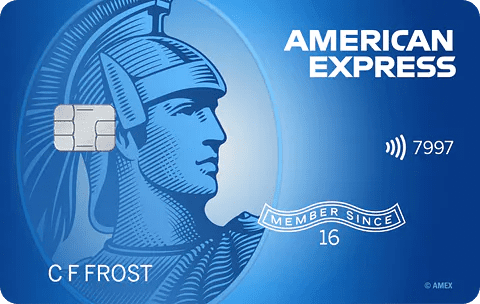
Blue Cash Everyday® Card from American Express
As High As $200
Cash Back
You may be eligible for as high as $200 cash back after spending $2,000 in purchases on your new Card in the first 6 months. Welcome offers vary and you may not be eligible for an offer. Cash back is received as Reward Dollars, redeemable for statement credit or at Amazon.com checkout. Terms Apply.
Personal vs. Business Cards
In addition to Amex product change restrictions based on card families and card types, you’re also restricted from changing from a personal to a business card or vice versa.
In practice, that means that even within the same card family you couldn’t switch from a personal card to a business card or vice versa.
For instance, you couldn’t switch from the Delta SkyMiles® Gold Business Card to the Delta SkyMiles Platinum Card. Similarly, while you could change the Hilton Honors American Express Surpass Card to the $0 annual fee Hilton Honors American Express Card (see rates and fees), you couldn’t change from either of these cards to The Hilton Honors American Express Business Card.
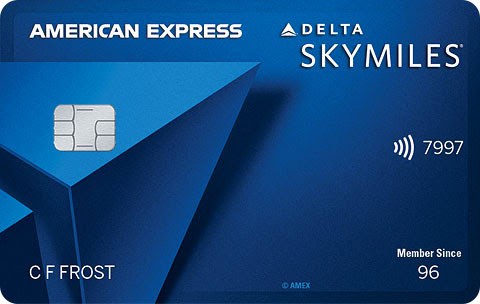
Delta SkyMiles® Blue American Express Card
Earn 10,000
Bonus Miles
after you spend $1,000 in purchases on your new card in your first 6 months.
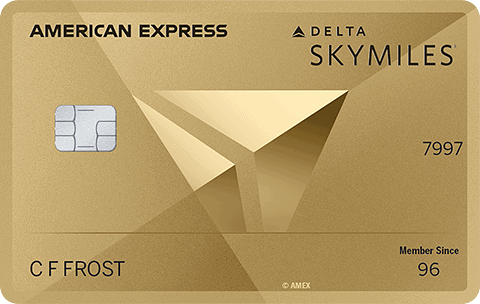
Delta SkyMiles® Gold American Express Card
You may be eligible for as high as 80,000
Bonus Miles
and a $250 Statement Credit after you spend $3,000 in eligible purchases on your new Card in your first 6 months of Card Membership. Apply to find out your offer. Terms Apply. Offer ends 11/04/2026.
Annual Fee:
$0 introductory annual fee for your first year, then $150.
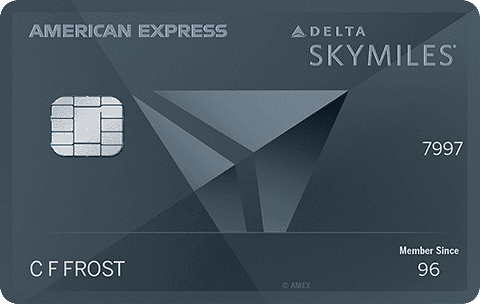
Delta SkyMiles® Reserve American Express Card
Earn two domestic Delta Comfort Flight Certificates + 50,000
Bonus Miles
after $10,000 in purchases on your new Card in your first 6 months. A 21+ day advance purchase required. Taxes and fees up to $80 per person apply. Terms and other restrictions apply. Offer ends 11/04/2026.
Annual Fee:
$650
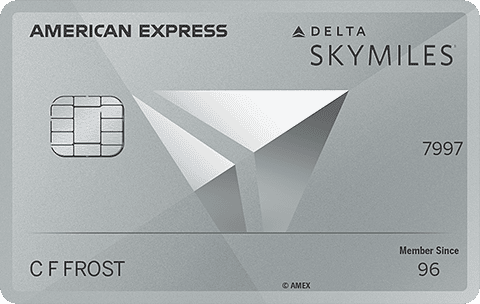
Delta SkyMiles® Platinum American Express Card
You may be eligible for as high as 90,000
Bonus Miles
and a $300 Statement Credit after you spend $4,000 in eligible purchases on your new Card in your first 6 months of Card Membership. Apply to find out your offer. Terms Apply. Offer ends 11/04/2026.
Annual Fee:
$350
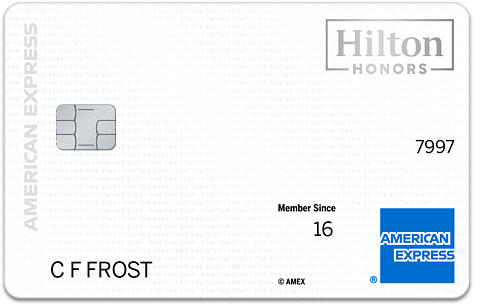
Hilton Honors American Express Card
Earn 70,000
Bonus Points
plus a Free Night Reward after you spend $2,000 in purchases on the card in the first 6 months of Card Membership. Offer ends 01/13/2027.
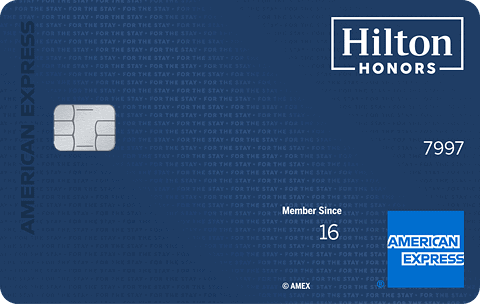
Hilton Honors American Express Surpass® Card
Earn 130,000
Bonus Points
plus a Free Night Reward after you spend $3,000 in purchases on the Hilton Honors American Express Surpass® Card in the first 6 months of Card Membership. Offer ends 01/13/2027.
Annual Fee:
$150

Eligible Cards and Amex Product Options
Over the past few years, American Express has added eligibility restrictions to their welcome offers within certain card families. This has been done to discourage existing card members from cancelling their premium Amex cards and opening lower-annual fee cards.
If you happen to hold a premium Amex card and are trying to decide between downgrading vs. submitting a new application for a lower-annual fee card, Amex’s policy can make that decision easier for you. Specifically, you may already be ineligible for certain Amex cards’ welcome offers, despite never having held these cards or earned their welcome offers.
Here’s an overview of Amex’s welcome offer eligibility rules within each card family. You can use these tables to work out whether you’d be eligible for a new cardmember welcome offer or if you’d be better off downgrading.
Membership Rewards Cards
If you hold one of the following Membership Rewards-earning cards, there are certain cards for which you’ll be ineligible to receive the welcome offer:
| Current credit card | Annual fee | Cards with welcome offers you’re ineligible for |
|---|---|---|
| American Express® Gold Card | $325 (see rates and fees) | • American Express® Green Card |
| American Express Platinum Card® | $895 (see rates and fees) | • American Express® Green Card • American Express® Gold Card |
Amex Co-Branded Card Considerations
Delta and Marriott cards both have welcome offer eligibility restrictions based on the current card(s) you hold. However, no such restrictions have been added to co-branded Hilton cards at this time.
Delta SkyMiles Cards
| Current credit card | Annual fee | Cards with welcome offers you’re ineligible for |
|---|---|---|
| Delta SkyMiles® Gold American Express Card | $0 in the first year; $150 thereafter (see rates and fees) | • Delta SkyMiles Blue® American Express Card |
| Delta SkyMiles® Platinum American Express Card | $350 (see rates and fees) | • Delta SkyMiles Blue American Express Card • Delta SkyMiles Gold American Express Card |
| Delta SkyMiles® Reserve American Express Card | $650 (see rates and fees) | • Delta SkyMiles Blue American Express Card • Delta SkyMiles Gold American Express Card • Delta SkyMiles Platinum American Express Card |
Marriott Bonvoy Cards
| Current credit card | Annual fee | Cards with welcome offers you’re ineligible for |
|---|---|---|
| Marriott Bonvoy Brilliant® American Express® | $650 (see rates and fees) | • Marriott Bonvoy Bevy® American Express® Card |
Cashback Card Restrictions
Currently, the only cashback card that prevents you from earning other welcome offers is the Blue Cash Preferred Card. If you hold or previously held this card, you’ll be ineligible to earn the welcome offer on the Blue Cash Everyday Card.
That said, if you hold or previously held the American Express Cash Magnet® Card, which is no longer available to new applicants, you’ll also be ineligible for the Blue Cash Everyday Card’s welcome offer.
Timing Your Product Change
When considering a product change, it’s key to understand that Amex is sensitive to certain types of credit card user behaviour.
If it looks like you’re trying to “game” the system or are engaging in credit card churning—the practice of opening cards solely for their welcome offers and then closing them before the second annual fee posts—Amex will curtail your ability to earn future welcome offers. In fact, Amex may even remove Membership Rewards points previously issued to your account and put you in Amex pop up jail.
This policy is stated clearly in the terms and conditions of most American Express cards. For instance, it states the following in the American Express Gold Card user agreement:
If we determine that you have engaged in abuse, misuse, or gaming in connection with this offer in any way or that you intend to do so, including if you return purchases you made to meet the Threshold Amount, we may not credit, we may freeze, or we may take away Membership Rewards® points from your account. We may also cancel any accounts you have with us.
That means that if you signed up for an Amex card, earned its welcome offer and then immediately tried to downgrade it to receive a prorated annual fee, Amex would likely revoke your welcome offer bonus points and may even restrict your ability to earn future welcome offers.
So, if you want to downgrade your card, wait until you’ve held the card for at least one year. Once the second annual fee posts, you can then downgrade your card within 30 days to avoid paying the annual fee twice.
The same applies if you’re looking to upgrade your card. While cardmember upgrades are in the interest of card issuers, the Credit CARD Act of 2009 restricts card issuers from being able to increase the annual fee in the first year of card membership. That means you’ll have to wait for the first year to end before you can apply for an upgrade.
Rewards and Benefits During the Transition
When you downgrade or upgrade your Amex card, your Membership Rewards points or cashback earnings will simply transfer to your new card account. Given that you can only change to cards within the same family, you never need to worry about losing your rewards during Amex product changes.
However, if you cancel your card instead of product-changing, you could risk losing your Membership Rewards points or cashback earnings if you had no other Amex card that earns the same rewards currency open. In this case, it’s essential to either use your rewards or transfer them to a linked frequent flyer or hotel loyalty program before closing your card.
Similarly, when you upgrade or downgrade your Amex card, you’ll lose out on any unused credits or benefits on your previous card—even if you’ve already paid the annual fee for that year.
Keep in mind that when upgrading to a premium travel rewards card, you may not be able to fully maximize your new card’s benefits in the first year of membership. This is because certain statement credit perks are issued monthly, quarterly or biannually, and don’t rollover if unused.
So, if you upgrade your card half way through the calendar year, for instance, that means you’ll need to be certain that you can offset your new card’s annual fee using other card perks and bonus spending categories in your first year.
How to Request a Product Change
If you received a targeted offer to upgrade one of your cards, be sure to use the link provided in the communication you received—generally this allows you to complete the process online without interacting with anyone.
Otherwise, you can request a product change through the Live Chat feature on the American Express website or mobile app, or you can call the phone number on the back of your card. Tell them you want to request a product change, and they’ll walk through the process with you.
In both cases, it’s easiest if you already know which card you want to change to, but the customer service representatives will also be more than happy to tell you which cards are available.
To request an upgrade, you’ll want to:
- Decide on a card to upgrade to. Given Amex’s strict product change rules, you’ll want to see which cards you’re eligible to upgrade to based on the current card you hold.
- Check your eligibility. Your card account will need to be at least one year old and in good standing.
- Check for targeted upgrade offers. You may find targeted upgrade offers in the Card Management or Offers sections of your Amex account.
- Contact Amex. You can contact Amex through your account or by calling the number on the back of your card.
- Wait for approval. You may either receive an instant decision or have to wait for a few days. If approved, your new card will arrive in the mail.
If you want to downgrade your Amex card, you’ll need to:
- Contact Amex. You’ll want to explain to Amex why your current card doesn’t suit your needs.
- Consider a retention offer. In some cases, Amex may give you a retention offer—a limited version of a welcome offer—to continue holding your current credit card. If you choose to accept a retention offer, ensure to avoid downgrading or closing your account within the following 12 months, otherwise Amex may restrict your ability to earn future welcome offers.
- Select a card to downgrade to. If you haven’t already considered your options, the customer service representative will tell you which cards you’re eligible to downgrade to.
Common Issues and Denials
Common reasons for having your Amex product change denied include the following:
- Requesting an upgrade in the first year of card membership—restricted due to the Credit CARD Act of 2009.
- Requesting a downgrade in the first year of card membership—indicates credit card churning behaviour.
- Having a history of payment issues—accounts that aren’t in good standing are less likely to be eligible for a product change, particularly for upgrades.
- Misunderstanding Amex product change rules—trying to switch to cards in different card families or from personal to business cards can all result in denials.
If you avoid the above issues, you’ll have a much greater chance of being approved for an Amex product change.
Making the Most of Your New Card
If you’ve upgraded your card half way through the calendar year or later, it’s imperative to ensure that you can still offset your new card’s annual fee.
You may be restricted in utilizing certain statement credit perks to the max if they’re issued biannually, quarterly or even monthly. Therefore, you’ll need to ensure that you can put enough spend on your new card’s bonus spending categories as well as maximize any remaining perks to the fullest.

Long-Term Product Change Strategies
Managing your Amex card portfolio is more than just downgrading or upgrading on a whim. Instead, you’ll want to periodically review your card portfolio and employ the following strategies:
- Review the value of your Amex portfolio. Consider whether your cards’ perks, statement credits and earning rates still outweigh the cost of holding them.
- Track perk usage. If you’re not using certain card benefits, be it Uber credits, airline incidental credits or even lounge access perks, that’s a sign that it might be time to downgrade or cancel your card.
- Audit your redemptions. Ensure that you’re redeeming Membership Rewards points or co-branded rewards points in ways that provide value to you.
- Weigh up the value of a product change vs. a new application. Given Amex’s one welcome offer per lifetime rule, you’ll need to decide whether you’re better off product changing or applying for a new card.
- Plan upgrades and downgrades with the calendar in mind. You’ll want to avoid any product changes in the first year of card membership. After that, you’ll generally want to upgrade or downgrade within 30 days of your annual fee posting. Similarly, upgrading to a premium card before a period of high expenditure can be a solid strategy for unlocking higher earning rates and beneficial perks to maximize your return on that spending.
Final Thoughts
American Express allows product changes and there are many compelling reasons to request one. However, before you go ahead with an upgrade or a downgrade, you should be aware of the important rules and restrictions outlined here so you maintain your eligibility for welcome offers going forward.

New to the world of points and miles? The Capital One Venture Rewards Credit Card is the best card to start with.
Current offer: Limited Time Offer: Enjoy a $300 stays credit, plus earn 75K bonus miles once you spend $4,000 on purchases within 3 months from account opening.
Earn 5X miles on hotels, vacation rentals and rental cars booked through Capital One Travel; 2X miles on all purchases.
after you spend $8,000 in eligible purchases on your new Card in your first 6 months of Card Membership. Welcome offers vary and you may not be eligible for an offer. Apply to know if you’re approved and find out your exact welcome offer amount – all with no credit score impact. If you’re approved and choose to accept the Card, your score may be impacted.
Annual Fee:
$325
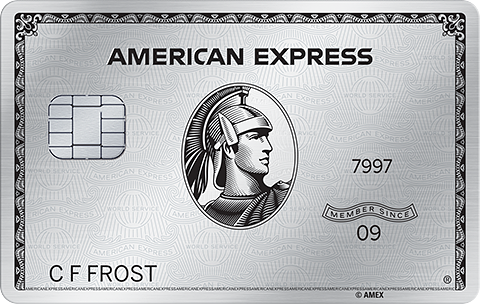
after spending $12,000 in eligible purchases on your new Card in your first 6 months of Membership. Welcome offers vary and you may not be eligible for an offer.
Annual Fee:
$895
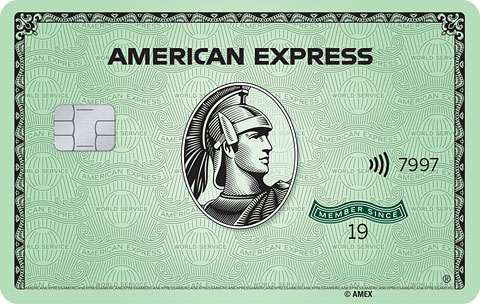
Card is no longer available to new applications
Annual Fee:
$150
Find Out Your Offer. You may be eligible for as high as $300 cash back after spending $3,000 in purchases on your new Card in the first 6 months. Welcome offers vary and you may not be eligible for an offer. Cash back is received as Reward Dollars, redeemable for statement credit or at Amazon.com checkout. Terms Apply.
Annual Fee:
$0 introductory annual fee for your first year, then $95.
You may be eligible for as high as $200 cash back after spending $2,000 in purchases on your new Card in the first 6 months. Welcome offers vary and you may not be eligible for an offer. Cash back is received as Reward Dollars, redeemable for statement credit or at Amazon.com checkout. Terms Apply.
after you spend $1,000 in purchases on your new card in your first 6 months.
and a $250 Statement Credit after you spend $3,000 in eligible purchases on your new Card in your first 6 months of Card Membership. Apply to find out your offer. Terms Apply. Offer ends 11/04/2026.
Annual Fee:
$0 introductory annual fee for your first year, then $150.
and a $300 Statement Credit after you spend $4,000 in eligible purchases on your new Card in your first 6 months of Card Membership. Apply to find out your offer. Terms Apply. Offer ends 11/04/2026.
Annual Fee:
$350
after $10,000 in purchases on your new Card in your first 6 months. A 21+ day advance purchase required. Taxes and fees up to $80 per person apply. Terms and other restrictions apply. Offer ends 11/04/2026.
Annual Fee:
$650
after you use your new Card to make $5,000 in purchases within the first 6 months of Card Membership.
Annual Fee:
$250
after you use your new Card to make $6,000 in purchases within the first 6 months of Card Membership.
Annual Fee:
$650
plus a Free Night Reward after you spend $2,000 in purchases on the card in the first 6 months of Card Membership. Offer ends 01/13/2027.
plus a Free Night Reward after you spend $3,000 in purchases on the Hilton Honors American Express Surpass® Card in the first 6 months of Card Membership. Offer ends 01/13/2027.
Annual Fee:
$150
with the Hilton Honors American Express Aspire Card after you spend $6,000 in purchases on the Card within your first 6 months of Card Membership. Offer ends 01/13/2027.
Annual Fee:
$550
Editors Note: Opinions expressed here are author’s alone, not those of any bank, credit card issuer, hotel, airline, or other entity. This content has not been reviewed, approved or otherwise endorsed by any of the entities included within the post.
10xTravel is part of an affiliate sales network and receives compensation for sending traffic to partner sites, such as CreditCards.com. This site may earn compensation when a customer clicks on a link, when an application is approved, or when an account is opened. This compensation may impact how and where links appear on this site. This site does not include all financial companies or all available financial offers. Terms apply to American Express benefits and offers. Enrollment may be required for select American Express benefits and offers. Visit americanexpress.com to learn more. All values of Membership Rewards are assigned based on the assumption, experience and opinions of the 10xTravel team and represent an estimate and not an actual value of points. Estimated value is not a fixed value and may not be the typical value enjoyed by card members.
Editors Note: Opinions expressed here are author’s alone, not those of any bank, credit card issuer, hotel, airline, or other entity. This content has not been reviewed, approved or otherwise endorsed by any of the entities included within the post.
bonus cash back
after you spend $6,000 on purchases in the first 3 months from account opening.
earn 75K bonus miles
once you spend $4,000 on purchases within 3 months from account opening.
bonus points
after you spend $5,000 on purchases in the first 3 months from account opening.
Membership Rewards® Points
after you spend $8,000 in eligible purchases on your new Card in your first 6 months of Card Membership. Welcome offers vary and you may not be eligible for an offer. Apply to know if you’re approved and find out your exact welcome offer amount – all with no credit score impact. If you’re approved and choose to accept the Card, your score may be impacted.